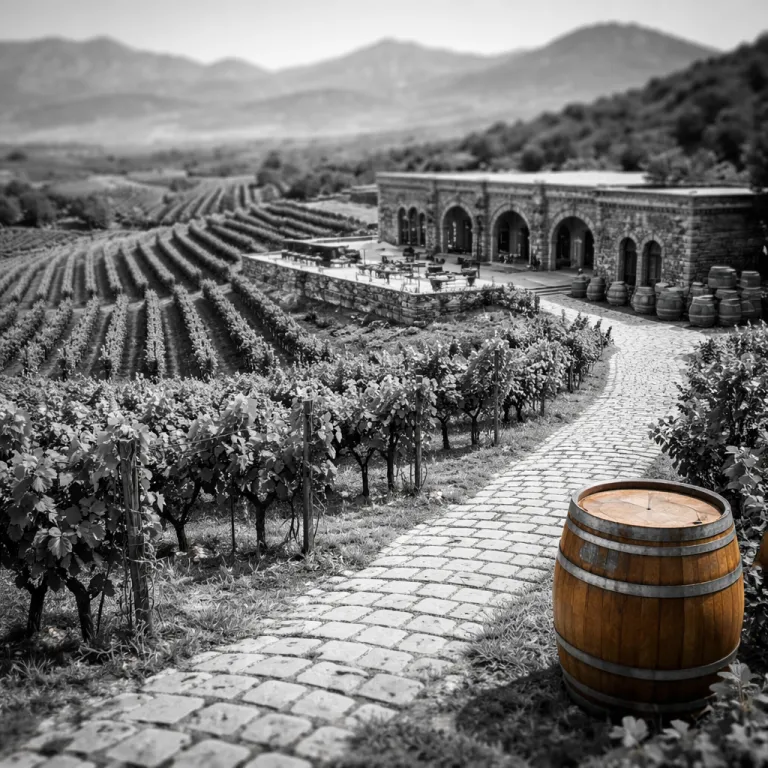
From ancient cellars to curated suites: Armenian wine tourism grows up
Armenian wine tourism is no longer a niche curiosity for label collectors. It has become a fully formed travel motive, where couples fly into Yerevan not for a stopover but for a week of wine, monasteries and mountain light. For luxury travelers using a premium hotel booking website focused on Armenia, the question is no longer whether to include wine, but how deeply to weave wine into every stage of the stay.
The story begins with history and altitude rather than with marketing slogans. Armenia sits on volcanic soil at the crossroads of empires, and its high altitude vineyards climb from the Ararat Valley to the wind carved ridges of Vayots Dzor, where the Areni 1 cave complex is widely recognized as one of the oldest known winemaking sites in the world. When you book a suite overlooking Mount Ararat in central Yerevan, you are not just choosing a view; you are placing yourself within a roughly 6,000 year continuum of winemaking, from clay karas buried in the earth to sleek glass walled tasting rooms pouring the best new Armenian wines.
For couples planning a romantic escape, this context matters because it shapes the experiences that hotels can credibly offer. A property that understands Armenian wine tourism will not simply stock a few bottles of Armenian wine in the minibar and call it a day. It will curate private wine tasting evenings with indigenous grapes like Areni Noir and Voskehat, pair them with regional dishes and then send you out the next morning on a guided wine tour that links working wineries, medieval churches and family owned guest tables in the Ararat Valley.
Serious wine travelers now arrive with a shortlist of wineries and wines Armenia has put on their radar. They ask specifically for Armenian wine from Vayots Dzor, for pomegranate wine from the Ararat Valley, for altitude vineyards that show how high altitude sun and cool nights shape grape character. Luxury hotels that partner intelligently with wineries such as Hin Areni Winery, Van Ardi Winery or Krya Wines can turn a simple transfer into a narrative, where each stop along the way reveals another layer of Armenia, another expression of Armenian wines and another reason to extend the stay.
Designing wine led stays: how luxury hotels in Armenia are changing the script
The most interesting shift in Armenian wine tourism is happening inside the hotels themselves. In Yerevan, high end properties now treat wine as a core part of the guest journey, not as an afterthought on the room service menu. When you scroll through a luxury booking platform dedicated to Armenia, you can already filter for hotels that offer in house sommeliers, curated wine tasting flights and direct access to nearby vineyards.
In the capital, the smartest hoteliers use Yerevan wine as a bridge between city and countryside. A pre arrival questionnaire might ask which styles of wine Armenia appeals to you most, from crisp Voskehat to structured Areni based reds or aromatic pomegranate wine from altitude vineyards in Vayots Dzor. That information then shapes everything from your welcome amenity to the suggested wine tour routes, with some properties even arranging private transfers in time for sunset tastings facing Mount Ararat and the snow capped peaks beyond the Ararat Valley.
Outside Yerevan, properties near Jermuk, Areni and the spa town valleys are building wine tourism into wellness and nature focused stays. A couple might spend the morning in thermal pools or at a wellness retreat such as those featured in guides to the healing waters of Jermuk, then head out for afternoon wine tasting at a nearby winery using traditional karas alongside stainless steel. This is where the best hotels differentiate themselves: they know which family owned cellars still ferment in clay, which wineries focus on indigenous grapes, and which vineyards at high altitude offer the most atmospheric sunset walks between rows of grapes.
For premium travelers, the value lies in curation rather than in quantity. A thoughtful hotel will not send you to ten wineries in one day, but to three wineries that together explain the history of Armenian wine, from the Areni 1 archaeological story to the contemporary style of Van Ardi and the precision driven wines Armenia is now exporting. The right booking platform should highlight these properties with clear language about their wine tourism partnerships, their access to volcanic soil vineyards and their ability to arrange private, sommelier led wine tasting sessions in suite or in candlelit cellars.
From Areni caves to Van Ardi hillsides: exclusive tours for serious wine couples
Exclusive wine tours are where Armenian wine tourism truly competes with destinations such as Georgia, Tuscany or Napa for the attention of high spending couples. The geography is compact enough that you can wake up in a Yerevan penthouse, stand inside the Areni 1 cave by late morning and be tasting Armenian wines at Hin Areni Winery before lunch. For travelers booking through a luxury focused Armenia platform, the key is to choose hotels that have already negotiated priority access, private guides and after hours tasting options with the region’s best wineries.
Vayots Dzor is the heartland of indigenous grapes and altitude vineyards, and it rewards those who plan ahead. The most memorable itineraries weave together the history of winemaking in Armenia, the stark beauty of the canyons and the intimacy of family owned cellars where the winemaker pours wine directly from karas or barrel. As one Vayots Dzor winemaker likes to tell guests, “You can taste 6,000 years in this glass, but you can also taste what we decided in the vineyard last week.” When a hotel concierge arranges a day that moves from the archaeological story of the oldest winery to a vertical tasting of Areni based wines Armenia now exports, you feel the country’s tourism strategy in action, not just its marketing language.
Northwest of Yerevan, Van Ardi Winery has become a reference point for couples who want a refined yet relaxed tasting setting. This family owned winery sits on volcanic soil with wide views toward Mount Ararat, and its wines show how carefully handled indigenous grapes can rival more famous regions. A premium hotel that understands Armenian wine tourism will not just book a standard wine tour here; it will arrange a private vineyard walk at golden hour, followed by a seated wine tasting dinner where Voskehat, Areni and experimental blends are paired with seasonal Armenian dishes.
For those who prefer a more structured approach, specialized operators now offer multi day wine tourism circuits that luxury hotels can plug into. These itineraries might start with Yerevan wine bars pouring the best selection of Armenian wine by the glass, then move through the Ararat Valley for pomegranate wine and classic grape varieties before climbing into the higher reaches of Vayots Dzor. When is the best time to visit Armenian wineries? During the harvest season, typically September to October, when grapes are being picked and cellars are most active. A good booking website will flag harvest dates, suggest which wineries welcome guests into the vineyards during picking and help you secure rooms before the growing number of annual wine tourists claim the most atmospheric suites.
What luxury travelers should demand from Armenian wine hotels
As Armenian wine tourism matures, the bar for hospitality must rise with it. Couples willing to invest in premium stays in Armenia are not just buying a bed near vineyards; they are seeking narrative, precision and access that they cannot easily arrange alone. The most forward thinking hotels treat wine as a design principle that shapes architecture, service and partnerships, not as a decorative bottle on a lobby shelf.
At a minimum, a serious wine focused property in Yerevan or the wine regions should have a trained sommelier or at least a staff member with deep knowledge of Armenian wine and the key wineries. The wine list should represent both classic Armenian wines and newer expressions of wines Armenia is now known for, including high altitude Areni, textured Voskehat and carefully made pomegranate wine from the Ararat Valley. Rooms and suites can subtly reference winemaking through materials and amenities, from stone and wood echoing volcanic soil to in room selections that highlight family owned producers rather than anonymous mass market labels.
Beyond the glass, the strongest properties use their leverage to open doors for guests. They secure early access to Yerevan Wine Days events, arrange private tastings at Hin Areni or Krya Wines, and coordinate with local tourism agencies to combine wine tour days with cultural visits to monasteries, caves and remote altitude vineyards. When you evaluate options on a luxury booking website, look for explicit mention of partnerships with wineries, references to indigenous grapes and altitude vineyards, and evidence that the hotel understands both the history and the future of winemaking in Armenia.
Armenia’s wine story is compelling because it is grounded in verifiable depth rather than in invented legends. What is the oldest known winery in Armenia? Areni 1 cave in Vayots Dzor, dated by archaeologists to around 4100 BCE and often cited in academic literature as the world’s oldest known winery. That single fact, combined with the current wave of ambitious winemakers in regions like Vayots Dzor and the Ararat Valley, helps explain why Armenian wine tourism now attracts discerning travelers who once looked only to more established regions, and why the smartest luxury hotels in Armenia are racing to integrate wine, history and landscape into every curated stay.
Key figures shaping Armenia’s wine travel landscape
- Armenia now welcomes a substantial and steadily rising number of dedicated wine tourists each year, a significant figure for a small country and a clear signal that Armenian wine tourism has moved into the mainstream of experiential travel (based on indicative trends reported by Armenia’s Tourism Committee and regional wine industry surveys rather than a single official tally).
- Researchers have documented several hundred indigenous grape varieties in Armenia and the broader South Caucasus, giving winemakers an unusually deep palette of grapes and styles to work with compared with many Old World regions (source: National Geographic coverage of Armenian viticulture and peer reviewed ampelography studies).
- The Areni 1 cave complex in Vayots Dzor has been dated to around 4100 BCE, making it the oldest winery yet identified by archaeologists and anchoring Armenia’s claim to a roughly 6,000 year winemaking history (source: excavations led by the Armenian Institute of Archaeology and Ethnography in collaboration with international research teams).
- Yerevan Wine Days now showcases more than 100 Armenian winemakers and hundreds of individual wines, with attendance reported in the high tens of thousands across recent editions and reinforcing the capital’s role as the gateway city for wine focused tourism (source: official Yerevan Wine Days communications and summaries by wine industry analysts).