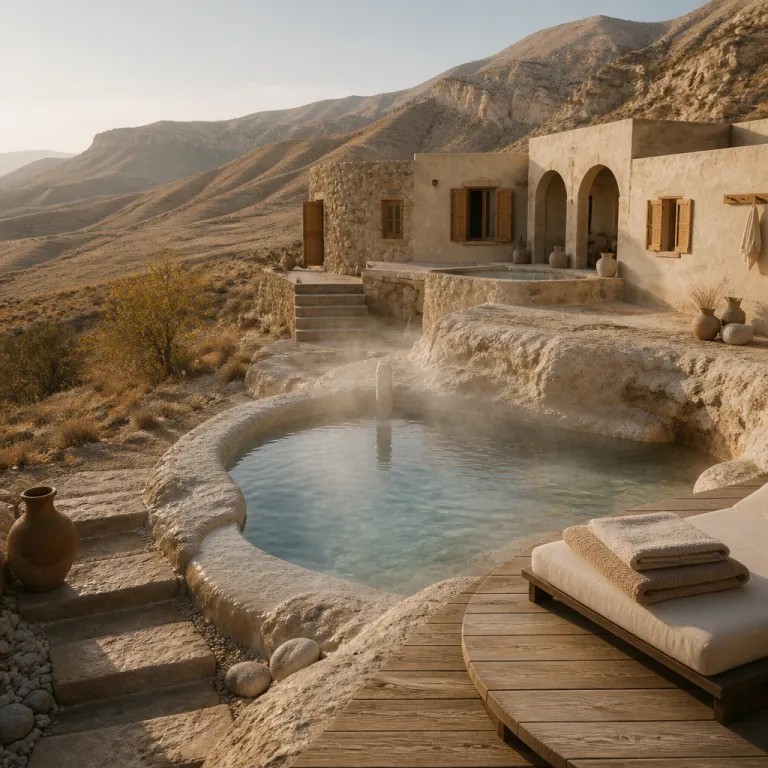
Mapping armenia hot springs beyond Jermuk’s famous waters
Armenia sits on restless volcanic geology, which means hot mineral waters rise in unexpected valleys and forested gorges. While the spa town of Jermuk dominates most wellness conversations, a quieter constellation of armenia hot springs stretches from Kotayk to Vayots Dzor and into the forests near Dilijan. For couples planning an armenia itinerary, this network of springs and thermal pools offers healing waters, fresh air and nature without the crowds.
Think of Jermuk as the flagship and these other springs as the private lounges reserved for those who read the small print. Each town or mountain hamlet has its own relationship with water, from simple concrete pools fed by natural springs to fully fledged spa resorts with hydrotherapy circuits and hammams. When you understand how armenia hot springs differ in temperature, mineral composition and setting, you can match each place to a specific mood, from romantic retreat to post-hike recovery day.
Across Armenia, mineral waters have been used for their therapeutic properties since long before the Soviet sanatorium era. Locals still speak of the healing power of hot waters with the same ease they discuss wine or apricot brandy, and many families have their preferred spring for joint pain, skin conditions or simple relaxation. For travelers, that living tradition turns a simple soak in armenia hot springs into a cultural encounter, not just a spa appointment.
How Armenian thermal waters work for wellness travelers
Armenian thermal springs are typically rich in dissolved mineral salts, which can include calcium, magnesium and bicarbonates depending on the source. The Hankavan Springs, for example, emerge at around 35 °C, a temperature that feels comfortably hot for long soaks while remaining gentle on the cardiovascular system. In practice, that means couples can enjoy extended sessions in armenia hot springs without the fatigue that comes from very high temperatures.
Some springs are lightly carbonated, so the water feels almost silky against the skin and tiny bubbles cling to your arms and shoulders. Locals attribute specific therapeutic properties to different waters, recommending one spring for circulation, another for respiratory issues and a third for post-ski muscle recovery. While medical evidence varies, the combination of warm mineral waters, mountain nature and slow time together is a reliable recipe for deep rest.
When planning your armenia itinerary, consider alternating active days with thermal days to let your body absorb the benefits. A morning hike to a monastery or waterfall followed by an afternoon in hot springs creates a rhythm that feels both productive and indulgent. This pattern also lets you experience Armenia beautiful landscapes in different lights, from crisp early starts to golden hour steam rising off the pools.
Hankavan: riverside springs and emerging spa resorts
Hankavan lies in Kotayk province, tucked along a green stretch of river valley where steam rises from the banks on cold mornings. The Hankavan Springs sit close to the water, and several small spa resorts have grown up around these natural outlets, each piping hot mineral waters into indoor pools and outdoor baths. For couples based in Yerevan, Hankavan is one of the top options for a thermal day trip that still feels far from the city.
The main pools here use natural springs that emerge at around 35 °C, which is warm enough to feel deeply relaxing but cool enough for longer sessions. Many properties offer private cabins or small stone pools where you can enjoy the waters in near silence, with only the sound of the river and the wind in the trees. Because Hankavan remains less known than Jermuk, you often share the space with local families rather than tour buses, which adds to the sense of authenticity.
Wellness focused travelers will find a growing range of services, from simple thermal baths to more polished spa menus with massages and body treatments. If you are looking for refined relaxation and want to compare different spa resorts in one place, use a curated resource such as the guide to luxury spa hotels in Armenia to benchmark standards before you book. In Hankavan, the real luxury often lies in the combination of hot waters, fresh air and the feeling that you have stepped into a private corner of Armenia beautiful countryside.
Pairing Hankavan with nearby mountain experiences
Hankavan works particularly well when paired with Tsaghkadzor, Armenia’s main ski and mountain resort town. In winter, you can ski or snowboard during the day, then return to Hankavan’s thermal waters to ease tired legs and shoulders in the evening. In warmer months, the same pattern applies to hiking or mountain biking, with the hot springs acting as a natural spa at the end of each route.
Because the valley is relatively narrow, many properties sit close to the river, so you hear water constantly as you move between pools and rooms. That soundscape, combined with the scent of pines and the cool mountain air, amplifies the perceived therapeutic properties of the springs even before you step into the water. Couples who value privacy should look for accommodations that offer in room access to mineral waters or small semi private pools overlooking the river.
Access is usually by car, and it is wise to check road conditions and seasonal availability before you travel. Some springs and smaller guesthouses may close or reduce services outside peak periods, so confirm details directly rather than relying on old listings. When you plan carefully, Hankavan becomes not just a stop on an armenia itinerary but a base for several days of slow wellness travel.
Arzakan and Arates: quiet mineral baths far from the crowds
Arzakan sits closer to Yerevan than Jermuk, yet it remains under the radar for many international visitors. The town is known among locals for its mineral baths, where hot waters are channeled into simple pools that feel more like a traditional bathhouse than a polished resort. For couples who prefer understated settings over spectacle, Arzakan offers one of the most genuine alternatives to the famous spa town of Jermuk.
The mineral composition of Arzakan’s springs gives the water a faintly metallic taste and a soft feel on the skin. Locals speak of therapeutic properties for joints and circulation, and you will often see older Armenians soaking quietly for long stretches of the day. Because the infrastructure is modest, it is wise to bring your own towels and simple spa accessories, treating the visit as a cultural immersion as much as a wellness session.
Farther south, the Arates Thermal Springs in Vayots Dzor offer a different kind of retreat at around 2 140 m altitude. Here, the hot springs sit in a more rugged landscape, and reaching them may involve a combination of car travel and short hikes, sometimes with the help of local guides. The reward is a soak in natural pools where steam rises against a backdrop of highland slopes, a scene that feels very far from any town or formal spa resorts.
Linking Jermuk, Arates and the Arpa River valley
Many travelers already plan to visit Jermuk for its waterfall, sanatoriums and famous mineral water gallery. From there, it is possible to extend your armenia itinerary along the Arpa River valley, using Jermuk as a reference point and Arates as the wilder counterpart. A detailed resource such as this in depth guide to Jermuk’s healing waters can help you understand how the flagship spa town fits into a broader network of springs.
The Arpa River cuts through some of Armenia beautiful canyon scenery, and several viewpoints make natural stops between Jermuk and the Arates area. You can structure a day where you visit a monastery in the morning, pause for a picnic above the river, then end with a soak in hot springs as the light softens. That combination of culture, nature and water turns a simple transfer into one of the most memorable days of the trip.
Because Arates is more remote than Arzakan or Hankavan, it is essential to check accessibility and seasonal conditions in advance. Local tour operators can arrange transport, guides and basic facilities, ensuring that the focus remains on the experience of the waters rather than logistics. For couples who value solitude and a sense of discovery, this corner of Vayots Dzor often becomes the quiet highlight of their journey.
Dilijan forests, hidden springs and slow wellness stays
Dilijan has built a reputation as Armenia’s slow travel capital, thanks to its forests, fresh air and growing design hotel scene. Less discussed, but increasingly relevant for wellness travelers, are the natural springs and small thermal facilities scattered around the wider Dilijan area. While not as obviously hot as Jermuk’s waters, these springs contribute to a broader sense of wellness that blends hiking, culture and gentle spa rituals.
Many couples choose Dilijan as a base because it balances nature immersion with comfort, offering stylish accommodations, good restaurants and easy access to monasteries such as Haghartsin and Goshavank. After a day on the trails, even a modest mineral bath or warm pool feels like a reward, especially when framed by forest views and the scent of damp earth. The emphasis here is less on dramatic hot springs and more on a holistic rhythm of movement, rest and quiet time together.
Armenia’s tourism strategy has identified health and wellness as a priority, and Dilijan sits at the intersection of those ambitions. As new properties open, expect more spa facilities that use local waters, herbal treatments and forest inspired therapies rather than generic international menus. For now, the charm lies in the relative simplicity of the offer, where a walk through the woods followed by a warm soak can feel as restorative as a full day in a large spa complex.
Pairing Dilijan’s waters with culture and wine
One of the strengths of Dilijan is how easily you can combine wellness with cultural and culinary experiences. A typical day might start with a hike on a section of the Transcaucasian Trail, continue with a visit to a monastery, then end with a quiet hour in a small spa before dinner. That dinner could feature Armenian wines from regions such as Vayots Dzor, connecting the mineral story of the waters with the volcanic soils that shape the country’s vintages.
If you are curious about how wellness and wine tourism intersect, it is worth reading a dedicated piece such as the article on Armenia’s wine renaissance and luxury travel. Many couples now design itineraries where days alternate between vineyard visits and time in armenia hot springs, using Dilijan or nearby towns as comfortable bases. This approach turns the country into a layered experience where every glass and every pool tells part of the same geological story.
Accommodation options in and around Dilijan range from polished hotels with full spa menus to intimate guesthouses that offer simple access to nature. When choosing, pay attention to how each property integrates the landscape, whether through forest facing pools, outdoor hot tubs or easy access to trails. The most rewarding stays are those where the line between room, forest and water feels almost invisible.
Designing a hot springs focused armenia itinerary
Building an itinerary around armenia hot springs is less about ticking off famous names and more about sequencing moods. Start in Yerevan, where you can adjust to the country’s rhythm, then move to Hankavan or Arzakan for your first immersion in hot mineral waters. From there, extend south to Jermuk and the Arpa River valley, or north to Dilijan’s forests, depending on whether you crave canyon drama or woodland calm.
For couples, a three center trip often works best, with Yerevan as the urban anchor and two contrasting wellness bases in the mountains. One option is to pair Hankavan’s riverside springs with Jermuk’s more structured spa culture, then add a final stretch in Dilijan for hiking and gentle thermal experiences. Another is to focus on quieter corners, using Arzakan and Arates as your main hot springs stops, with short returns to the capital for dining and galleries.
Whatever route you choose, pay attention to the balance between active days and water days. Plan hikes to waterfalls, monastery visits or wine tastings on one day, then schedule long soaks in hot springs the next, allowing your body to respond to the mineral waters and mountain air. This alternation not only enhances the perceived therapeutic properties of the springs but also keeps the journey feeling fresh and layered.
Practical guidance for luxury and premium stays
When selecting hotels near armenia hot springs, look beyond the spa menu and study how each property uses its water. The most compelling spa resorts channel natural springs directly into pools and private baths, maintain clear information about mineral composition and temperature, and limit day visitor numbers to preserve a calm atmosphere. Ask whether the hot waters are refreshed continuously, how many guests share each pool and whether there are adults only time slots for quieter sessions.
Transport logistics also matter, especially for more remote springs such as Arates, where car travel and short hikes may be necessary. Use local tour operators or hotel concierges to arrange drivers who know the roads and seasonal nuances, particularly in winter or early spring. Remember the core advice from regional experts : "Some are; check specific locations for details." and "Generally no, but confirm based on location." and "Yes, local operators offer tours to these sites."
Finally, pack with intention for both spa and nature : lightweight robes, swimsuits that work in both private and mixed gender settings, and footwear suitable for wet stone and forest paths. Bring a small bag for water, snacks and layers so you can move easily from a hike to a soak without returning to your room. With that level of preparation, armenia hot springs become the quiet spine of your journey, holding together days of culture, cuisine and highland scenery.
FAQ
Are Armenia’s lesser known hot springs open all year
Many armenia hot springs operate year round, especially those with built infrastructure such as Hankavan and Arzakan. More remote sites, including some pools near Arates, can be affected by snow, road conditions or seasonal maintenance. Always check current accessibility with your hotel or a local tour operator before finalizing your day plans.
Do I need special equipment to visit armenia hot springs
For most developed springs and spa resorts, you only need standard swimwear, flip flops and perhaps a light robe. Remote pools may require sturdier footwear for short hikes, plus a towel and warm layers for the return journey in cooler air. It is wise to confirm any specific requirements with your chosen property or guide in advance.
Which hot springs are best for a romantic luxury stay
Hankavan is ideal if you want riverside views, private pools and easy access from Yerevan, while Jermuk offers a more classic sanatorium style spa culture with a wide choice of hotels. Dilijan suits couples who value forest walks and slow travel, with warm baths complementing rather than dominating the experience. For maximum seclusion, consider combining a night in Arzakan with a guided excursion to the Arates area, where the setting feels particularly intimate.
Can I combine hot springs with hiking and cultural visits
Yes, armenia hot springs pair naturally with hiking, monastery visits and wine tasting, thanks to the country’s compact geography. Around Dilijan, you can walk forest trails in the morning and soak in warm waters by late afternoon, while in Vayots Dzor you can link Jermuk, the Arpa River valley and nearby monasteries in a single day. Planning this kind of alternation keeps both body and mind engaged throughout your trip.
Are the mineral waters safe for everyone
Most visitors tolerate Armenian mineral waters well, especially at moderate temperatures such as the 35 °C found in Hankavan. People with cardiovascular conditions, pregnancy or specific medical concerns should consult a doctor before extended hot water exposure, just as they would for any thermal spa worldwide. Once cleared, start with shorter sessions, drink plenty of plain water and listen to your body’s signals while you enjoy the springs.