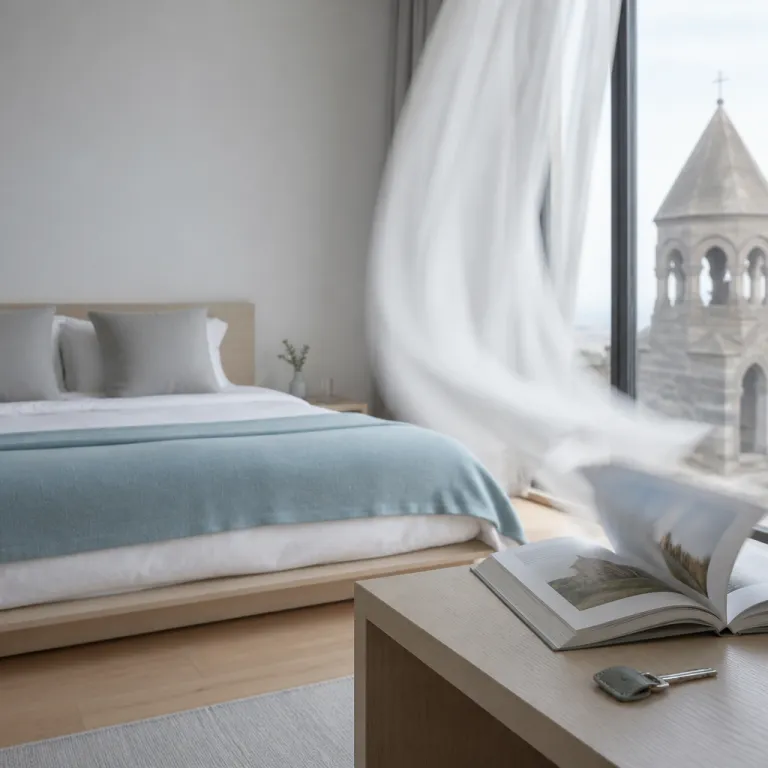
Why Etchmiadzin, Armenia belongs on every luxury traveler’s map
Etchmiadzin, Armenia offers a rare blend of spiritual depth and discreet comfort. In the compact city of Vagharshapat, travelers can pair stays in luxury and premium hotels with intimate access to the Mother Cathedral of the Armenian Apostolic tradition. This balance between refined hospitality and sacred heritage makes the area ideal for guests who value serenity as much as service.
The city is often referred to by its historical name Ejmiatsin, and both Etchmiadzin and Ejmiatsin appear in signage, hotel descriptions, and local narratives. When you book a high-end hotel or design-focused guesthouse in this city, you are placing yourself within minutes of the Etchmiadzin Cathedral, the surrounding churches, and the quiet residential streets that still feel deeply Armenian. For many Armenians, this city is not only a destination but a spiritual home, and thoughtful hotels increasingly design experiences that respect this emotional connection.
Etchmiadzin lies in Armavir Province, around 20 kilometers from Yerevan, which allows travelers to combine capital city energy with contemplative day trips. The area sits at an elevation of about 853 meters, so summer evenings feel pleasantly cool after warm afternoons spent exploring each cathedral and church. For luxury travelers, this geography means you can enjoy vineyard visits, city dining, and the holy sites of Vagharshapat while returning each night to a quiet, well-appointed room.
Staying near the mother cathedral and the heart of Armenian faith
At the center of Etchmiadzin stands the Etchmiadzin Cathedral, often described as one of the world’s oldest cathedrals. Built between 301 and 303 AD under Gregory the Illuminator, this Mother See symbolizes Armenia’s adoption of Christianity as a state religion and anchors the identity of the Armenian Apostolic Church. For guests choosing luxury hotels or upscale boutique stays, proximity to this cathedral complex is often the single most important factor.
The spiritual leadership of the Armenian Church is based here, where the Catholicos of All Armenians serves as Supreme Patriarch and head of the Armenian Apostolic community. The current Catholicos, Karekin II, holds the title of Supreme Patriarch and Catholicos of All Armenians, and his residence forms part of the wider Holy Etchmiadzin complex. When you stay nearby, you are within walking distance of the administrative heart of the Apostolic Church, where decisions affecting Armenians worldwide are made.
Many premium hotels in Etchmiadzin now curate experiences that help guests engage respectfully with this heritage. Concierges can arrange early morning visits to the Mother Cathedral, advise on dress codes for each church, and coordinate transport to nearby monasteries for those planning a deeper retreat. For travelers seeking structured spiritual time, resources such as this guide to planning a monastery retreat in Armenia pair well with a multi-night stay in the city.
UNESCO heritage churches around Etchmiadzin and how to visit in style
The sacred core of Etchmiadzin extends beyond the main cathedral to a constellation of UNESCO World Heritage churches. Within a compact area of Vagharshapat, travelers can visit Saint Hripsime Church, Saint Gayane Church, and the remains of the Zvartnots Cathedral, each representing a different century of Armenian architecture. Choosing a luxury hotel in the city allows you to explore these churches at a relaxed pace, often with private guides and chauffeured transfers.
Saint Hripsime Church stands slightly outside the central area, its powerful stone volumes reflecting early-century Armenian design and the resilience of Armenians through invasions and upheavals. Nearby, Saint Gayane Church and the adjacent Gayane convent complex offer a softer, more intimate atmosphere, where the east apse and interior frescoes create a sense of quiet holiness. Many travelers choose to visit both Saint Gayane and Saint Hripsime in a single morning, returning to their hotel for a leisurely lunch before continuing toward the ruins of Zvartnots.
For guests who enjoy combining heritage with landscape, a stay in Etchmiadzin can be the opening chapter of a wider cultural road trip. After exploring each cathedral and church in Vagharshapat, some travelers continue north toward Lori Province, following itineraries such as this Debed Canyon road trip that links Haghpat, Sanahin, and dramatic mountain scenery. Luxury and premium hotels in Yerevan and beyond can coordinate transfers, ensuring that your time at the Holy Etchmiadzin sites becomes part of a broader, carefully planned journey through Armenia.
Architecture, symbolism, and the story of the Armenian Church
Understanding the architecture of Etchmiadzin enriches every hotel stay, because the city’s skyline is defined by domes and stone rather than glass towers. The original Etchmiadzin Cathedral was built using traditional Armenian techniques and local stone, and later restorations respected this language while adding details such as the east apse and bell towers. Walking from your hotel to the cathedral complex, you can trace how each century’s Catholicos left a mark on the buildings.
The story begins with Gregory the Illuminator, recognized as the founder who initiated construction of the Etchmiadzin Cathedral soon after Armenia embraced Christianity as a state faith. Over time, the Catholicos of All Armenians and the wider Catholicosate hierarchy shaped the site into the administrative and spiritual center of the Apostolic Church. The complex now includes the residence of the Supreme Patriarch, seminaries, museums, and administrative buildings that together express the continuity of the Armenian Apostolic tradition.
Travelers often ask whether Etchmiadzin Cathedral is truly the oldest cathedral in the world, and local guides respond with a nuanced explanation. Built between 301–303 AD and recognized by UNESCO for its outstanding universal value, it is widely regarded as one of the earliest cathedrals in continuous use. This status gives every visit a sense of gravity that contrasts beautifully with the lightness of returning to a calm, well-designed hotel suite.
Planning a luxury stay: from city access to heritage etiquette
When planning a premium stay in Etchmiadzin, location within the city of Vagharshapat matters as much as room category. Properties closer to the Mother Cathedral and the main churches allow guests to walk to liturgies, while hotels on the edge of the area offer quieter gardens and wider views toward Mount Ararat. In both cases, travelers should look for concierges who understand the rhythms of the Armenian church calendar and can advise on special services.
Dress codes at each church are straightforward but important, especially at the Mother See of Holy Etchmiadzin and the surrounding churches of Saint Gayane and Saint Hripsime. Guests are expected to dress modestly, covering shoulders and knees, and many hotels now keep shawls or scarves at reception for guests heading to a cathedral or church. Checking service times in advance allows you to attend a liturgy without rushing breakfast, and luxury properties often adjust transfer schedules so that guests can arrive a few minutes before the choir begins.
For travelers combining Etchmiadzin with Yerevan or regional wine routes, it is worth considering how the country’s hospitality landscape is evolving. International chains and local investors are expanding capacity, as shown in analyses of new hotel projects and international brands in Armenia. This growth means that guests can increasingly pair a stay in a global luxury brand in the capital with a more intimate, heritage-focused property in Vagharshapat, without sacrificing service standards.
Memory, resilience, and how hotels frame the Armenian story
Etchmiadzin is not only a place of serene churches and ancient stones; it is also a city shaped by memory. Many Armenians view the Mother Cathedral and the wider Holy Etchmiadzin complex as symbols of survival after the Armenian Genocide, when the Apostolic Church and its Catholicosate leadership helped preserve identity in exile. Today, luxury and premium hotels in the area increasingly acknowledge this history through curated library selections, art, and partnerships with local guides.
Some properties commission works from contemporary Armenian artists that reference the cathedral silhouette, the fire temple motifs of pre-Christian Armenia, or the figures of Saint Hripsime and Saint Gayane. Others organize private visits where guests can speak with clergy about the role of the Supreme Patriarch and Catholicos in modern Armenia, or learn how the Armenian Apostolic tradition navigated the twentieth century. These experiences help travelers understand that each cathedral, church, and east apse is part of a living narrative rather than a static monument.
For visitors who value context, staying in Etchmiadzin offers a chance to see how faith, architecture, and hospitality intersect in one compact city. The area around Vagharshapat’s main churches feels walkable and human-scaled, yet the stories carried by the stones reach across continents and generations of Armenians. A thoughtfully chosen hotel can frame these encounters with comfort and discretion, allowing guests to engage deeply with heritage while returning each evening to quiet, attentive service.
Key figures for luxury travel and heritage in Etchmiadzin
- The city of Vagharshapat, which includes Etchmiadzin, has a recorded population of around 46,540 people, giving the area a small-city feel that suits travelers seeking calm rather than crowds (data from national statistics referenced by Wikimedia Commons).
- The elevation of approximately 853 meters moderates summer heat, which means that guests walking between the Mother Cathedral, Saint Hripsime, and Saint Gayane churches often experience cooler evenings than in lower-lying regions of Armenia.
- Etchmiadzin Cathedral was built between 301 and 303 AD, shortly after Armenia adopted Christianity as a state religion, making it a central reference point for early Christian architecture worldwide.
- The Etchmiadzin complex and surrounding churches form part of a UNESCO World Heritage listing, which has contributed to increased tourism and ongoing restoration efforts focused on preserving both the original stonework and later Sahinian-era interventions.
- Guidance from local tourism bodies indicates that visitor numbers to Etchmiadzin have risen steadily in recent decades, encouraging investment in new luxury and premium hotel capacity while reinforcing the need for sensitive management of the holy sites.
FAQ about Etchmiadzin, Armenia and luxury stays
Is Etchmiadzin Cathedral really the oldest cathedral in the world ?
Etchmiadzin Cathedral in Vagharshapat was built between 301 and 303 AD and is widely regarded as one of the world’s earliest cathedrals, constructed soon after Armenia adopted Christianity as a state religion. This status is reflected in scholarly literature and underpins the site’s inclusion on the UNESCO World Heritage list. For travelers, this means every visit combines architectural interest with exceptional historical significance.
What is the spiritual role of Etchmiadzin in the Armenian Apostolic Church ?
Etchmiadzin serves as the spiritual and administrative center of the Armenian Apostolic Church. The Catholicos of All Armenians, currently Catholicos Karekin II, resides here as Supreme Patriarch and Catholicos, overseeing religious life for Armenians worldwide. The Mother Cathedral and surrounding buildings host major liturgies, synods, and theological institutions.
Can visitors attend services at the churches in Etchmiadzin ?
Visitors are welcome to attend services at Etchmiadzin Cathedral and the nearby churches of Saint Hripsime and Saint Gayane. It is advisable to check service times in advance, either through your hotel concierge or local parish information, to ensure you arrive before the liturgy begins. Modest dress is expected, and many luxury hotels provide guidance and suitable coverings for guests.
How far is Etchmiadzin from Yerevan, and how should I travel between them ?
Etchmiadzin lies roughly 20 kilometers west of central Yerevan, making it an easy day trip or short transfer for an extended stay. Most luxury travelers arrange private cars through their hotel, which allows flexible timing around services at the cathedral and churches. Taxis and rideshare options also operate on this route, but pre-booked transfers offer greater comfort and reliability.
Are there luxury hotels directly in Etchmiadzin, or should I stay in Yerevan ?
The city of Vagharshapat offers a growing selection of premium guesthouses and small luxury properties within a short distance of the Holy Etchmiadzin complex. Travelers who prioritize international brand recognition often base themselves in Yerevan and visit Etchmiadzin as a day trip, while those seeking quiet and proximity to the Mother Cathedral prefer to stay in the city itself. Both approaches work well, and many itineraries combine a few nights in each location for balance.
References
- UNESCO World Heritage Centre – listing for the Cathedral and Churches of Etchmiadzin and the Archaeological Site of Zvartnots.
- Mother See of Holy Etchmiadzin – official information on the Armenian Apostolic Church and the Catholicos of All Armenians.
- Statistical Committee of the Republic of Armenia – demographic and geographic data for Vagharshapat and Armavir Province.
