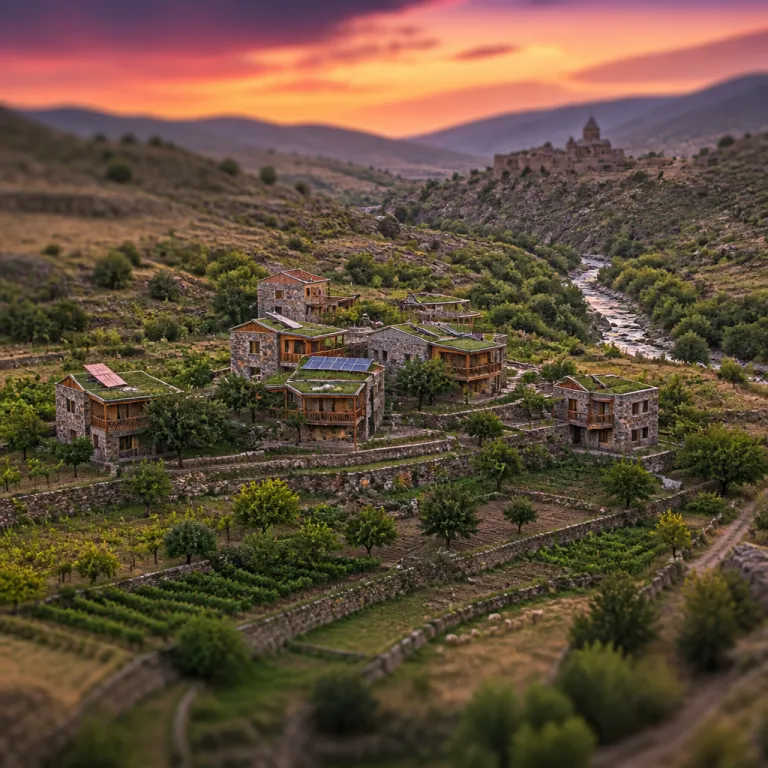
What eco tourism in Armenia really means for luxury travelers
Eco tourism in Armenia does not copy the certification heavy European model. It grows from the country’s mountains, monasteries, and villages, where tourism and daily life still share the same courtyards. In Armenia, sustainable hospitality is less about badges on websites and more about quiet action that protects nature while respecting local rhythms.
When you plan eco tourism in Armenia, you step into a landscape where 23 protected areas shape how hotels are built, staffed, and supplied. The Ministry of Environment and the Armenia Tourism Committee work with NGOs such as WWF Armenia and the Strategic Development Agency to align tourism development with conservation, not against it. Their shared goal is simple but demanding ; promote sustainable tourism, protect natural areas, and engage local communities in every decision.
For a luxury guest, this means your stay in Armenia can feel both refined and grounded in real ecotourism practice. Properties in different areas of the country, from Yerevan to Vayots Dzor, are learning to balance comfort with responsibility toward the environment and cultural heritage. When you choose carefully, eco tourism in Armenia becomes a way to enjoy national landscapes while supporting sustainable development rather than unchecked expansion.
Across the country, tourism Armenia strategies now treat ecotourism as a core pillar, not a niche. The state reserve network, national parks, and other protected areas Armenia wide are managed with tourism in mind, but not at any cost. As a traveler, your booking choices influence the economic impact of this development and signal that sustainable tourism deserves the same attention as traditional luxury.
Government territorial administration reforms also shape how eco tourism in Armenia unfolds on the ground. Regional authorities in each region Armenia coordinate with local communities to ensure that new hiking trails, eco lodges, and premium hotels respect both nature and village life. This layered governance helps keep ecotourism growth measured, so that Armenia’s unique character is not diluted by mass tourism trends.
From Yerevan suites to mountain lodges: redefining sustainable luxury
In Yerevan, eco tourism in Armenia begins in polished lobbies rather than forest cabins. High end properties are gradually weaving sustainable tourism principles into their operations, from energy efficient systems to partnerships with local artisans and organic farms. When you book a refined city stay, you can still support ecotourism by choosing hotels that treat Armenia’s environment and culture as assets to protect, not just to market.
Take a central property such as the Ani Plaza, where guests seeking a refined stay in the heart of the city can use it as a base for responsible excursions into nearby nature. Our detailed review of this address on myarmeniastay.com, presented as a guide to a refined hotel in the heart of Yerevan, shows how an urban hotel can connect guests to hiking trails, national parks, and cultural tours that respect protected areas. This bridge between city comfort and rural ecotourism is where eco tourism in Armenia becomes truly seamless for discerning travelers.
Luxury travelers often ask whether Armenia’s ecotourism society of operators can match the service standards of more established destinations. The answer lies in the country’s unique blend of personal hospitality and small scale operations, where owners know every guest by name and every supplier by village. Here, sustainable development is not an abstract policy but a daily practice that shapes menus, staffing, and even the choice of building materials.
In this context, tourism Armenia initiatives encourage hotels to measure their economic impact beyond room revenue. Many properties now track how much of their spending stays in local areas Armenia wide, from Vayots Dzor wineries to Dilijan craft studios. When you choose these stays, you help shift tourism development toward models that value community benefit as much as guest satisfaction.
Official actors reinforce this shift with clear guidance and tools. As one reference explains without ambiguity, “What is ecotourism? Environmentally responsible travel to natural areas.” That simple definition now informs training sessions, ecotourism guidebooks, and trail maps distributed across region Armenia, ensuring that even premium hotels understand their role in protecting flora fauna and landscapes.
Dilijan’s rise: national park pressures and quiet green leadership
Dilijan has become the emblem of eco tourism in Armenia, and with reason. The town sits inside Dilijan National Park, a forested basin where mist hangs over beech trees and monasteries at dawn. As visitor numbers grow, the tension between tourism development and conservation becomes visible on every winding road.
Recent recognition on the international tourism stage has accelerated this shift, with Dilijan nominated as one of Europe’s leading emerging destinations and recording a sharp rise in arrivals and accommodation capacity. Local authorities, supported by the Ministry of Environment and NGOs, now reinvest tourism revenue into forest protection, wildlife monitoring, and restoration of hiking trails. This reinvestment model turns sustainable tourism from a slogan into a funding mechanism for the national park itself.
For travelers, the question is whether Dilijan can stay serene while welcoming more guests. Our dedicated guide to luxury hotels in Dilijan on myarmeniastay.com, which focuses on refined stays in the heart of Tavush, shows how a new generation of properties is trying to answer that question. They limit footprint through careful siting, use of local materials, and close cooperation with Dilijan National Park rangers who monitor sensitive areas.
Walking the forest paths, you see how protected areas Armenia wide are managed as living landscapes rather than museum pieces. Bird watching hides, interpretive panels about flora fauna, and marked hiking trails help concentrate visitor flows and reduce pressure on fragile zones. In some ravines, you may even glimpse bezoar goats on distant slopes, a reminder that national parks are first and foremost wildlife refuges.
Behind the scenes, tourism Armenia planners watch Dilijan closely as a test case. The economic impact of its growth is undeniable, yet every new hotel or guesthouse forces a conversation about carrying capacity and sustainable development. If Dilijan succeeds, it will offer a template for other areas of Armenia, from Lake Sevan’s shores to the canyons of Vayots Dzor, proving that eco tourism in Armenia can scale without eroding its soul.
Eco lodges and protected landscapes: where comfort meets conservation
Leave the main highways and eco tourism in Armenia becomes more intimate. In Vayots Dzor and neighboring regions, small eco lodges sit at the edge of state reserve lands, where silence is broken only by wind and distant church bells. These properties show how sustainable tourism can feel luxurious without marble lobbies or oversized spas.
The Caucasus Wildlife Refuge Eco Lodge near Urtsadzor is a clear example, built from recycled shipping containers, powered by solar panels, and equipped with its own water treatment system. With a maximum of ten guests, it offers stargazing, wildlife observation, and guided walks into nearby protected areas, all while meals are prepared by local women from the village. Here, the economic impact of your stay is direct ; your room rate supports conservation work and provides income for families who might otherwise leave these rural areas.
Further across region Armenia, the Tui Tui Eco Lodge collaborates with local livestock and vegetable farms to supply its kitchen and shape rural tourism development. Guests join farm visits, learn about traditional cheese making, and walk hiking trails that link villages, vineyards, and chapels. This is eco tourism in Armenia at its most grounded, where sustainable development means keeping agricultural landscapes alive rather than replacing them with anonymous resorts.
These lodges operate in close dialogue with territorial administration bodies and the Ministry of Environment. Together they map sensitive areas Armenia wide, set limits on visitor numbers, and coordinate with the ecotourism society of guides and rangers who know every ridge and ravine. Bird watching excursions, for example, are carefully timed and routed to avoid disturbing nesting sites in national parks and state reserve zones.
For a luxury traveler, the comfort here lies in privacy, authenticity, and depth of experience. You trade valet parking for a clear view of the Milky Way and the chance to see bezoar goats on a dawn ridge, guided by someone whose family has lived in this dzor, or valley, for generations. Eco tourism in Armenia, in these places, becomes less about amenities and more about access to nature that remains genuinely wild.
How to choose eco conscious premium stays that respect Armenia’s soul
Choosing eco tourism in Armenia as a discerning traveler means asking sharper questions before you book. Not every property using the word eco has earned it, and not every luxury hotel ignoring the label is indifferent to the environment. Your task is to read between the lines and look for concrete actions rather than vague promises.
Start by examining how a hotel relates to its surrounding areas and communities. Does it employ local staff in meaningful roles, source food from nearby farms, and support artisans whose work reflects Armenia’s cultural heritage. These details reveal whether tourism development is reinforcing local economies or simply extracting value from the landscape.
Next, consider the property’s relationship with protected areas and national parks. Responsible operators in eco tourism in Armenia will be transparent about permits, trail maintenance contributions, and cooperation with park authorities. They will speak clearly about how they manage waste, energy, and water in sensitive environments, especially near a lake, a dzor valley, or a forested national park.
Look too at how hotels frame activities such as hiking trails, bird watching, or wildlife viewing. Ethical guides will keep respectful distances from flora fauna, avoid feeding animals, and follow designated paths that reduce erosion in fragile areas Armenia wide. When you see this level of care, you know that sustainable tourism is embedded in daily operations, not added as an afterthought.
Finally, remember that eco tourism in Armenia is part of a broader international ecotourism movement, but it retains its own character. Here, the ecotourism society of NGOs, government bodies, and local hosts works quietly, using tools such as trail maps, sustainability standards, and community training to align tourism Armenia wide with long term sustainable development. By choosing stays that respect this effort, you help ensure that Armenia’s environment, culture, and hospitality remain as unique and enduring as the view of Ararat at dusk.
FAQ
What is ecotourism in the Armenian context
In Armenia, ecotourism means environmentally responsible travel to natural areas that also respects cultural heritage and community life. It focuses on small scale stays, guided hikes, bird watching, and village based experiences rather than mass tourism. The aim is to protect protected areas and national parks while creating fair economic opportunities for local residents.
How is Armenia promoting sustainable tourism
Armenia promotes sustainable tourism through coordinated action by the Ministry of Environment, the Armenia Tourism Committee, and NGOs such as WWF Armenia and the Strategic Development Agency. They develop hiking trails, publish ecotourism guidebooks, and support eco lodges that operate near protected areas. Policy initiatives and community training programs help ensure that tourism development aligns with conservation and sustainable development goals.
Which regions are best for eco tourism in Armenia
Dilijan and its surrounding Dilijan National Park are leading destinations for eco tourism in Armenia, with extensive forests and well marked trails. Vayots Dzor offers a mix of vineyards, canyons, and monasteries, along with access to eco lodges and rural homestays. Other attractive areas include Lake Sevan’s shores and several state reserve zones where flora fauna and landscapes remain largely untouched.
Can luxury travelers find eco friendly premium hotels in Armenia
Yes, luxury travelers can find premium hotels in Armenia that integrate sustainable practices into their operations. In Yerevan, high end properties increasingly use energy efficient systems and partner with local suppliers, while in regions such as Dilijan and Vayots Dzor, smaller lodges offer refined comfort with low environmental impact. The key is to look for transparent information about environmental measures, local employment, and cooperation with national parks.
What should travelers do to support responsible tourism in Armenia
Travelers can support responsible tourism in Armenia by choosing accommodations that respect the environment and employ local people. During visits to national parks and protected areas, they should follow designated trails, avoid disturbing wildlife, and support local businesses for food, crafts, and guiding services. Simple actions such as reducing waste, conserving water, and respecting local customs also contribute to long term sustainable tourism.
References
Ministry of Environment of the Republic of Armenia ; WWF Armenia ; Strategic Development Agency (SDA).