Why armenia thermal spa culture shines in the cold season
Armenia’s highland climate makes thermal bathing feel purpose built for frost. In January, average temperatures in spa regions such as Jermuk hover around −7°C to −10°C at night, so stepping into 30–42°C natural hot water becomes less leisure and more quiet ritual for health and reset. Couples who time their stay for late autumn or deep winter feel the contrast most intensely.
Across the country’s historic springs, Armenia has treated thermal water as medicine rather than novelty. In the spa towns the focus is not only on a single hot spring but on a whole wellness rhythm built around walks, prescribed mineral waters and unhurried rest. This is where an Armenia thermal spa stay differs from a quick dip in generic hot springs elsewhere, especially for travelers who value structured balneology traditions.
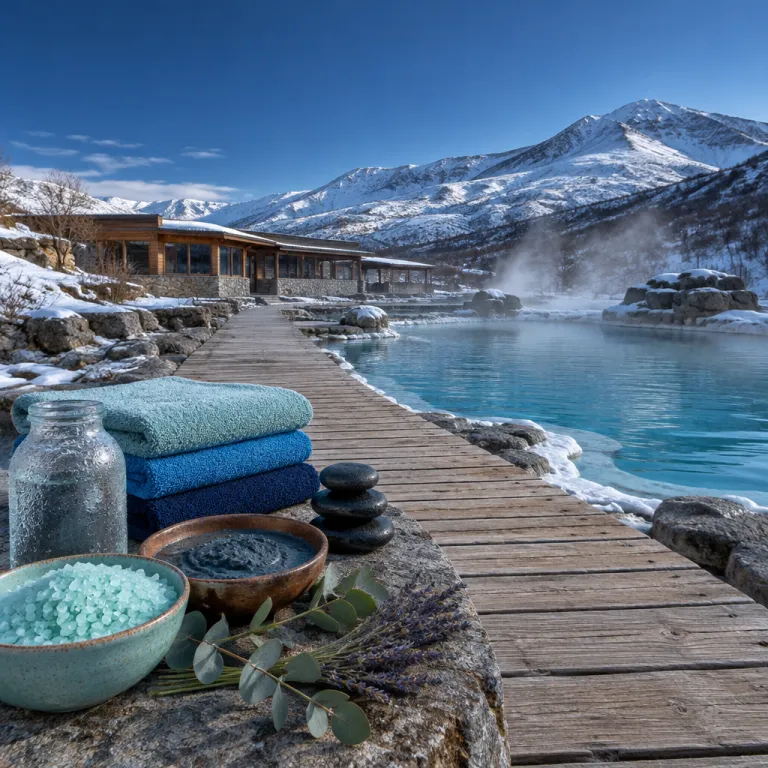
Cold weather sharpens every sensation, from the smell of wet stone to the sound of snow underfoot. You move between thermal springs and crisp open air, between indoor pools and outdoor hot spring baths edged with frost. The body warms, the mind slows and the surrounding mountain area feels like part of the treatment rather than a backdrop, particularly when snow dusts the ridges above the resort.
Jermuk: classic sanatorium rituals reimagined for modern wellness
Jermuk Armenia remains the country’s best known spa town, a plateau resort at around 2,000 metres above sea level in Vayots Dzor, roughly 170 km and three to four hours’ drive from Yerevan. Here the Armenia thermal spa tradition is anchored in serious balneology, with doctors still prescribing specific mineral waters and bathing regimes based on Soviet era research. For couples, the art lies in choosing between old school sanatoriums and newer resort Armenia properties that reinterpret the same springs.
In the historic galleries, hot mineral water flows from lion headed fountains, each labelled for temperature and intended health benefit, typically ranging from about 30°C to 53°C. Locals sip these mineral waters slowly, walking between columns while steam rises in the winter light, and this simple day ritual can be as restorative as any massage. When you book, look for hotels that combine direct access to the thermal springs with contemporary rooms and clear information about which spa facilities are renovated and which remain in classic sanatorium style.
Many travelers pair Jermuk hot springs with a wider wellness retreat that includes speleotherapy or mountain hikes. For a deeper planning overview, the guide on how to plan a wellness retreat in Armenia explains how thermal, spring and cave based therapies fit together. In practice, a three day stay lets you alternate structured treatments, open air walks above the gorge and unstructured time in the spa pools without feeling rushed.
Beyond Jermuk: Hankavan, salt caves and quiet mountain retreats
While Jermuk Armenia dominates the conversation, couples who prefer low key escapes should look closely at Hankavan and other lesser known springs. Hankavan sits in a forested mountain area north of Yerevan, about 80 km or two hours by road, where natural hot water rises close to the river and a handful of small resort Armenia properties cluster around it. The atmosphere is more intimate than in Jermuk; Hankavan feels like a valley hideaway rather than a formal spa town.
Here the Armenia thermal spa experience is about contrast and texture. You soak in outdoor pools fed by mineral springs while snow settles on the pines, then step into simple wooden pavilions for tea and long conversations. Facilities range from renovated wellness hotels with full spa menus to older sanatorium style complexes where the focus is still on basic health treatments and daily bathing in thermal springs, often in modest tiled pools rather than designer spas.
Salt cave and speleotherapy options add another layer to Armenia’s wellness map. Some travelers combine a stay in Jermuk or Hankavan with a detour to a salt rich cave complex, using the dry underground air to support respiratory health while the surface days revolve around hot spring rituals. For a detailed look at Jermuk’s role in this wider network, see the in depth feature on the healing waters of Jermuk which unpacks both the town’s history and its modern spa hotels.
Designing a cold season itinerary: from Yerevan to highland springs
Planning an Armenia thermal spa escape in the quiet season starts in Yerevan. The capital’s best luxury hotels offer polished wellness zones, yet the real shift happens when you leave the city and climb towards the mountain springs Armenia is famous for. A smart itinerary balances one or two urban nights with three or four days based in a thermal resort, allowing for slower travel on winter roads.
One classic loop runs from Yerevan to Vayots Dzor for Jermuk, then back via a different valley for varied scenery. Along the way you pass vineyards, monasteries and high passes where the mountain air feels almost medicinal in its clarity. Couples often choose a single cultural day, visiting a monastery or winery, then reserve the rest of the trip for slow mornings, prescribed mineral water sessions and long afternoons in the spa.
Another option links thermal springs with a ski resort for a more active week. You might spend several days skiing above Tsaghkadzor, then drive to Hankavan or Jermuk for post slope recovery in natural hot pools. For inspiration on extending your route to countryside stays with pools and orchards, the guide to hotels outside Yerevan worth the drive shows how to combine wellness with rural calm.
How to choose the right armenia thermal spa hotel for your stay
Selecting the right property is where a luxury focused booking platform earns its keep. In Armenia, the term spa can mean anything from a single hot tub to a full thermal springs complex with medical staff, so you need clarity before you commit. Look for hotels that specify whether their hot water is natural hot spring sourced or simply heated tap water, and whether access to mineral pools is included in the room rate.
Serious wellness travelers should prioritise access to genuine mineral springs and structured programs. Check whether the resort offers medical consultations, prescribed mineral water drinking courses and supervised bathing schedules, or whether the focus is more on leisure pools and saunas. Photos can reveal whether facilities feel freshly renovated or still carry a Soviet era sanatorium aesthetic, which some couples find charming and others find too austere.
Location matters as much as the spa menu. Properties set slightly above the valley floor often enjoy cleaner mountain air and wider views, while those closer to the river may sit nearer to the original spring sources. For couples planning a year round habit of quiet season escapes, it is worth sampling both Jermuk and Hankavan before deciding which resort Armenia base suits your style of winter wellness.
Seasonality, cross border routes and who cold weather wellness suits
Armenia’s thermal culture works year round, yet autumn into winter is when it feels most aligned with the landscape. Snow on the ridges, steam rising from open air pools and the hush of the off season create a mood that summer simply cannot match. Couples who enjoy silence, long nights and slow mornings will find this Armenia thermal spa rhythm especially appealing.
Some travelers pair springs in Armenia Georgia style, crossing the border to sample different traditions in a single journey. In practice, most visitors find that the combination of Yerevan, one thermal resort and perhaps a ski resort already fills a week with ease. The key is to resist over scheduling and allow space for unscripted walks, extra bathing sessions and early nights.
For those curious about the science, Armenia’s mineral waters vary in composition from one spring to another. Balneology specialists classify each hot spring by temperature, gas content and intended health focus, which is why you will see detailed labels in Jermuk’s galleries and other mineral springs pavilions. If you approach the experience with respect for these traditions rather than chasing instant results, the quiet season in Armenia’s thermal resorts becomes less a weekend away and more a gentle reset.
FAQ
Is Armenia a good destination for thermal spa trips in winter ?
Armenia is particularly well suited to thermal spa trips in winter because of its highland climate and long standing balneology culture. The contrast between cold mountain air and hot mineral water makes bathing in natural hot springs especially satisfying in the quiet season. Towns such as Jermuk and Hankavan remain accessible while feeling far removed from city pace.
How many days should I plan for an armenia thermal spa getaway ?
A focused Armenia thermal spa getaway works well over three to five days. This allows time for travel from Yerevan, medical consultations if you choose a structured program and several cycles of bathing and rest. Couples often add one cultural day to visit a monastery or winery without diluting the wellness focus.
What is the difference between Jermuk and Hankavan for spa stays ?
Jermuk is a larger, more established spa town in Vayots Dzor with extensive sanatorium facilities and formal mineral water galleries. Hankavan is smaller and more secluded, with a forested valley setting and a handful of resorts built around natural hot springs. Travelers who prefer structured medical style programs tend to choose Jermuk, while those seeking a quieter mountain retreat often favour Hankavan.
Can I combine skiing with a thermal spa holiday in Armenia ?
Combining skiing with a thermal spa holiday in Armenia is straightforward. Many travelers spend several days at a ski resort such as Tsaghkadzor, then transfer to Jermuk or Hankavan for recovery in hot mineral pools. This pairing works especially well for couples who want both active days and slow wellness focused evenings.
Are Armenia’s thermal waters considered safe to drink and bathe in ?
In established spa towns such as Jermuk, the mineral waters used for drinking and bathing are monitored and classified by specialists. Visitors are usually advised on how much water to drink and how long to bathe, depending on the spring and their health profile. If you have specific medical conditions, it is wise to consult both your own doctor and the resort’s medical staff before starting a full course.