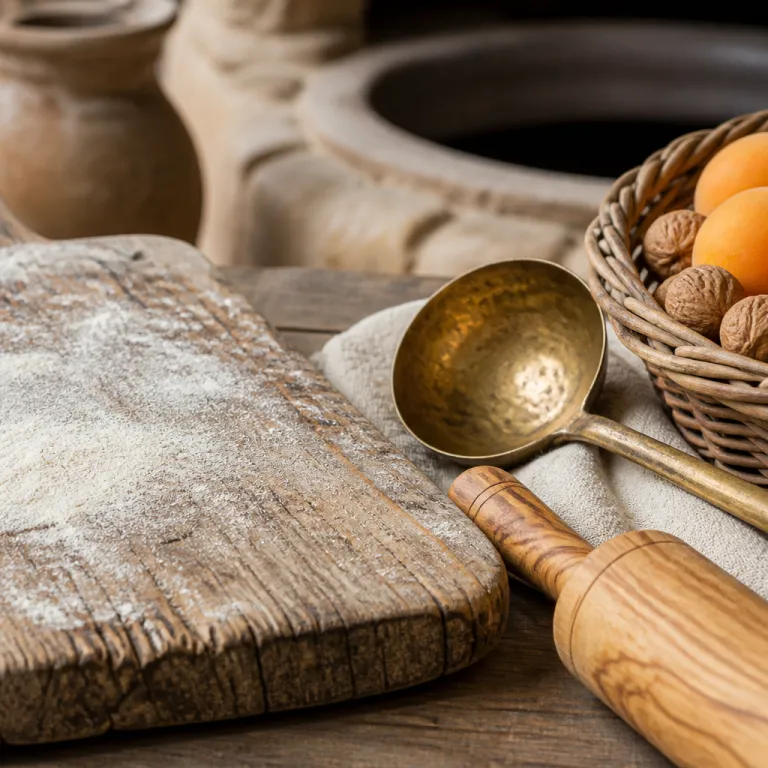
August tables in Yerevan: markets, hotel kitchens and evening heat
August in Armenia is when the markets overflow and every stall reflects the late summer harvest. In Yerevan, luxury and premium hotels quietly rework their menus as stone fruits, tomatoes and mountain herbs reach a kind of disciplined chaos of flavor. For families planning their days around meals, this is the moment when Armenian food becomes a living itinerary rather than a simple checklist.
Start at the GUM market (65 Movses Khorenatsi Street, Yerevan), where pyramids of peaches, figs and early grapes sit beside strings of dried fruits and tubs of thick yogurt. Here you feel how deeply Armenians read the harvest season in each crate of produce, and you understand why many high-end hotel concierges now send guests with private guides to shop for ingredients before a chef-led cooking session. Ask your Yerevan property to arrange market tours that end back in the hotel kitchen, where children can roll lavash while parents taste chilled Armenian wine and local cheese.
Luxury hotels near Republic Square and along Abovyan Street increasingly build Armenian cuisine–forward experiences around this late summer abundance. One evening might feature grilled vegetables brushed with olive oil and herbs, another a tasting of different Armenian cheese styles paired with Yerevan wine by the glass. Between meals, step into the city’s cultural life with a curated walk along the contemporary art and heritage route described in this guide to Yerevan’s gallery trail, then return to a rooftop bar where the view of Mount Ararat frames your next plate of seasonal food.
Families should plan around the heat, as average August temperatures in Yerevan reach about 35 °C in the afternoon, according to long-term climate data from the Armenian Hydrometeorology and Monitoring Center. Use the hottest time of day for hotel pool breaks, cold water and light snacks such as yogurt, rice pilaf and sliced fruit, then book restaurant tables for the cooler evenings when the city’s wine bars and hotel terraces come alive. Many premium properties now coordinate with nearby wine bars to offer reserved seating during wine-themed evenings and tasting flights, which lets you sample serious wine production without leaving the city center.
Grapes, blessings and the quiet drama of the harvest season
Beyond the markets, August in Armenia carries a spiritual rhythm that shapes how and where you eat. The Armenian Apostolic Church marks the Blessing of the Grapes, known as Astvatsatsin, as a turning point in the grape harvest and in the wider late-summer food calendar. For luxury travelers, this is not a spectacle but a chance to see how faith, vineyards and everyday food intersect.
Plan at least one Sunday around a visit to Etchmiadzin, the spiritual center of the Armenian Apostolic tradition, about 20 km from Yerevan. After the liturgy, you will often see baskets of grapes brought forward for blessing, a quiet reminder that wine production here is not only an industry but a sacrament shaped by centuries of Armenian history; the Feast of the Assumption of St. Mary and Blessing of the Grapes is typically celebrated on the Sunday nearest 15 August each year, according to the church calendar. Nearby, Agape Refectory (Vagharshapat, 1/1 Mashtots Street) offers a refined setting to taste traditional Armenian dishes such as tolma, grilled meats and seasonal vegetables, and its proximity to the apostolic church complex makes it an elegant lunch stop for families.
In Yerevan, some hotel concierges arrange private transfers to Etchmiadzin for guests who want to attend the blessing and then return to the city for a late lunch. Ask for a driver who understands both the liturgical timing and the realities of August traffic, so your family can move smoothly from church courtyard to shaded restaurant terrace. Many high-end properties will also arrange for a sommelier to explain how blessed grapes symbolically open the wine festival season that culminates in the more public wine days events in September and October.
For children, this is an accessible way to talk about culture without turning the trip into a history lesson. They see grapes in church, then on the table, then later as juice while adults taste Armenian wine from Areni and Vayots Dzor. Over a few days, Armenia, its apostolic church and its food culture stop being abstract ideas and become part of the family’s shared travel story.
From vineyard lunches to lakeside tables: where the harvest meets the plate
Leave Yerevan for a day and the August food story widens into vineyards, orchards and cool mountain air. In Vayots Dzor, the village of Areni sits at the heart of Armenian wine country, and August is when the grape harvest is close enough to feel but not yet frantic. Families who enjoy comfort can base themselves in premium hotels in Yerevan or nearby spa resorts, then book private tours that weave together wine, food and landscape.
Ar Areni Restaurant (Areni village, Vayots Dzor) offers a polished but warm setting where traditional Armenian recipes meet estate wines, and its terrace lunches during the harvest season are among the most atmospheric in the region. Nearby, Areni Traditional Cuisine in Chiva serves homestyle dishes that highlight tomatoes, peppers, herbs and rice, often cooked with generous flour-and-butter bases and finished with local oil. Many tours pair these meals with visits to small wineries, where you can walk between rows of grapes, hear about harvest timing and taste young wines that will later appear at urban wine festival events.
To the north, Lake Sevan offers a different expression of Armenian food in August. Here the focus shifts to freshwater fish, crisp salads and herbs, with hotel restaurants grilling trout over charcoal and serving it beside plates of lavash, Armenian cheese and thick yogurt. Families can spend the hottest hours swimming in the lake’s clear water, then move to shaded terraces as the light softens, turning dinner into a long, slow ritual that feels far from city heat.
Back in Yerevan, film lovers should note that the city’s cultural calendar often aligns with gastronomic events, as outlined in this guide to Yerevan during festival week. While that piece focuses on cinema, the same hotels frequently build seasonal menus around festival dates, using grapes, stone fruits and vegetables at their peak. When you book, ask how the property’s restaurant interprets the current harvest season, and choose those that can speak in detail about their suppliers and vineyard partners.
Planning luxury stays around Armenia’s August food calendar
For families using myarmeniastay.com to choose hotels, the key is to align your booking with the August harvest rhythm rather than with abstract sightseeing lists. Early August brings the Honey and Berries Festival in Berd in Tavush Province, mid-month sees peak tomatoes, cucumbers and grapes, and late August is ideal for vineyard visits and wine tasting in Areni and Vayots Dzor. Many premium properties now build packages around these dates, combining transfers, restaurant reservations and curated tours that keep logistics smooth even with children in tow.
When comparing hotels, look beyond spa menus and room sizes to how seriously each property treats Armenian cuisine. Ask whether the chef works directly with farmers, whether the breakfast buffet includes real Armenian cheese, yogurt and freshly baked lavash, and whether the bar carries a thoughtful selection of Armenian wine rather than generic imports. Some of the most rewarding stays are in heritage-rich towns like Gyumri, where this guide to why Gyumri deserves a place on your itinerary shows how architecture, food and family life intersect in ways that feel both grounded and quietly luxurious.
Seasonality also shapes how you experience Armenia’s religious calendar, even if you are not visiting during Armenian Christmas or in February. The same Armenian Apostolic sensibility that blesses grapes in August also informs how families cook for feast days, and many hotel restaurants borrow those traditional recipes for special menus. Over time, you start to see how a dolma festival, a village wine celebration and a citywide wine days event are all variations on the same theme of harvest, hospitality and shared tables.
Practical details matter. Book vineyard tours in advance, especially during the harvest season, because demand rises sharply in late August. Confirm whether your hotel can arrange child-friendly drivers, high chairs and flexible meal times, so younger travelers can rest during the hottest hours and still join late dinners. And always leave space in your schedule for unplanned stops at roadside fruit stalls, where Armenian families sell grapes, peaches and figs that taste like the distilled essence of an August day in Armenia.
FAQ
What are the must try dishes during Armenia’s August harvest season ?
Dishes featuring fresh tomatoes, cucumbers, grapes and honey-based desserts are essential during the late-summer harvest period. Look for salads dressed simply with oil and herbs, grilled vegetables, tolma and rice pilaf served with yogurt and Armenian cheese. Many restaurants also highlight apricot desserts and fruit compotes that showcase the country’s emblematic stone fruit.
Are there any food festivals in Armenia in August ?
Yes, the Honey and Berries Festival in Berd is held in August and fits naturally into a wider annual calendar that includes wine festival events later in the year. Families can combine this festival with regional tours, visiting local producers and tasting Armenian food made directly from the surrounding fields and forests. Check dates with your hotel concierge, as schedules can shift slightly from year to year.
Is it necessary to book vineyard tours in advance during August ?
August sits just before the most intense grape harvest, so vineyards are busy and high-quality tours fill quickly. Luxury travelers should reserve private or small-group tours several days in advance, especially in Areni and Vayots Dzor. This ensures access to better guides, quieter tasting rooms and more time to explore wine production facilities without rushing children.
How do Armenian hotels adapt their menus to the August harvest ?
Many upscale hotels in Armenia redesign menus around the August harvest, emphasizing seasonal vegetables, grapes and stone fruits. Breakfasts often feature fresh yogurt, lavash, Armenian cheese and fruit, while dinner menus highlight grilled vegetables, herb-rich salads and dishes finished with local oil. Some properties also host themed wine days or small wine festival–style evenings, pairing Armenian wine with regional specialties.
Is August too hot for families to enjoy food focused travel in Armenia ?
August days in Yerevan can reach around 35 °C, but careful planning makes food-centered trips comfortable for families. Schedule outdoor markets and vineyard visits for early morning or late afternoon, and use hotel pools or Lake Sevan’s cool water during midday heat. Many restaurants and hotel dining rooms are air conditioned, so long lunches and late dinners remain pleasant even in the height of summer.