Why hiking Armenia summer trails works when Yerevan overheats
When Yerevan pushes toward 40 degrees Celsius, hiking Armenia summer trails above 2,000 metres becomes a form of natural air conditioning. Up in the Caucasus Mountains, every 1,000 metres of elevation usually trims several degrees from the temperature, so a well planned day hike can feel like stepping into another season while the capital bakes below. For luxury travellers planning a trip with children, the real art lies in pairing each hike in Armenia with a refined hotel where the pool, the linens and the late check out feel as considered as the trail route itself.
High altitude hiking in Armenia is not only about escape from heat; it is about entering a different landscape rhythm. Alpine meadows replace city asphalt, cold springs replace café ice, and long views toward Mount Ararat or the Geghama Mountains reset your sense of scale. Local guides and organisations such as the Armenian Mountaineering and Hiking Federation often recommend that “Morning departures are recommended, hikes typically last 4–8 hours, return by evening”, and that simple structure works beautifully for families who want a clear frame to their day hikes.
Across Armenia, hiking and trekking routes are now better mapped, better waymarked and increasingly connected to the Transcaucasian Trail vision that links Armenia and Georgia through the spine of the Caucasus Mountains. That means you can choose short hikes Armenia families will enjoy, or more ambitious best treks that climb toward alpine meadows and glacial lakes, then return to a spa suite before dinner. For many guests using a luxury booking platform, Armenia best experiences in summer are now defined by this contrast between a wild daytime hike and an evening of polished service.
Dilijan National Park: forest shade, cool air and family friendly trails
Dilijan National Park is the softest way into hiking Armenia summer trails, especially for families who want shade, streams and manageable elevation. The forested hills around Dilijan sit between roughly 1,250 and 2,300 metres, which keeps temperatures lower than Yerevan while still allowing gentle trekking through beech and oak. Many visitors base themselves in a premium hotel in Dilijan town, then choose a different trail route each day to keep the trip varied but logistically simple.
Several classic day hikes in Dilijan National Park link monasteries, viewpoints and villages, and most take hours rather than full days, which suits children. Shorter hiking routes around Parz Lake or the loop between Jukhtak and Matosavank monasteries offer soft forest paths, picnic spots and enough ascent to feel like a real hike without exhausting younger legs. For more ambitious hikers, longer hikes Armenia options connect Dilijan National forest paths to sections of the Transcaucasian Trail, creating one way routes that a driver or hotel car can easily support.
Luxury minded travellers should look for properties that understand both hiking and hospitality, with early breakfasts, packed lunch options and a concierge who actually walks these trails. Many Dilijan hotels now work closely with local guides and hiking clubs, so arranging a guided hike Armenia style through dense woodland or along a panoramic ridge is as simple as a request at reception. If you are combining Dilijan with a cooler mountain base in Tsaghkadzor, read our dedicated guide to summer hikes and mountain hotels in Tsaghkadzor to compare which region suits your family best.
Mount Aragats and high lakes: Armenia’s rooftop for serious but accessible hikes
Mount Aragats is the highest peak in Armenia at 4,090 metres, and its broad volcanic mass offers some of the most rewarding hiking Armenia summer trails for confident walkers. You do not need to summit to feel the mountain; even a day hike from Lake Kari at around 3,185 metres delivers cool air, alpine meadows and wide views across the Kasagh Gorge and the plains beyond. For families or mixed ability groups, the lower flanks of Mount Aragats provide shorter day hikes that still feel like a genuine Caucasus Mountains experience.
From Yerevan, the drive to Lake Kari on Mount Aragats usually takes about 1.5–2 hours by car, which makes it realistic as a long excursion paired with a luxury city hotel. Many travellers choose to base themselves in one of the Armenia best properties in the capital, then use private transfers to reach the trailhead early and return to a pool or spa by late afternoon. On the western side, views drop toward the Kasagh Gorge, where gentler trail route options allow you to combine a cultural stop at Saghmosavank monastery with a shorter hike that children can manage.
Northwest of Aragats, Lake Arpi sits in a quieter corner of Armenia near the border with Georgia, and the surrounding Lake Arpi National Park offers low intensity trekking through wetlands and grasslands at altitude. This region feels remote, but for travellers linking Armenia Georgia itineraries it can be a serene pause between capitals, with hikes Armenia style that focus more on birdlife and open skies than steep climbs. When planning where to stay in high summer, our guide to the hotels worth booking for July and August helps you match these highland routes with properties that understand early starts and late returns.
The Transcaucasian Trail and Geghama plateaus: long routes, wild horses and lava domes
The Transcaucasian Trail is gradually stitching together a long distance hiking corridor across the South Caucasus, and Armenia’s sections already offer some of the country’s best treks for experienced hikers. On the ground, the Transcaucasian Trail in Armenia weaves through Dilijan National Park, the Yeghegis Valley and the highlands above Lake Sevan, giving you a menu of multi day hikes Armenia enthusiasts can tackle in stages. For luxury travellers, the trick is to sample these Transcaucasian segments as curated day hikes, using a driver and a comfortable hotel base rather than carrying everything on your back.
East of the lake, the Geghama Mountains rise as a volcanic plateau, with soft ridgelines, crater lakes and, in summer, semi wild horses grazing the alpine meadows. Here, a typical trail route might start from a rough track, climb gently across open slopes and reach a high lake in a few hours, then return the same day to a lakeside or Yerevan hotel. These hikes take hours rather than days, but the sense of space and the clarity of the light make them feel like a full expedition.
Because the Geghama region is less clearly waymarked than Dilijan or Aragats, hiring local guides is strongly recommended for any serious hike Armenia visitors attempt there. Guided trekking here often uses GPS navigation and preloaded maps, an innovation that has made high altitude hiking safer without diluting the sense of remoteness. For families, it is usually better to keep Geghama as a scenic drive with a short hike, then focus longer hiking Armenia summer trails in better signposted areas where a misread route is less likely.
Syunik highlands, Yeghegis Valley and sacred detours from the heat
Far to the south, the Syunik highlands feel like Armenia in widescreen, with deep gorges, high passes and villages that seem carved into the mountains. This is where hiking Armenia summer trails becomes more remote, more dramatic and more dependent on good logistics, which is why luxury travellers often work with specialist tour operators and local guides. Multi day trekking routes here can link the Tatev plateau, Vorotan Gorge and high pasturelands, but they are best approached as a series of curated day hikes supported by a comfortable base.
Closer to the centre of the country, the Yeghegis Valley offers a softer version of this drama, with vineyards, riverside paths and access to the wider Yeghegis Gorge. Families can choose short hikes Armenia style along the valley floor, or climb to hilltop churches and fortresses that turn a simple walk into a cultural excursion. Some of the Armenia best rural guesthouses and small luxury lodges now operate in this region, pairing farm to table dinners with guided hike Armenia experiences that start directly from the door.
For travellers interested in Armenia’s spiritual heritage as much as its mountains, combining highland trekking with a stay near Etchmiadzin creates a powerful contrast. You might spend one day in the Yeghegis Gorge, then another exploring sacred architecture and shaded gardens around the country’s religious heartland. Our refined guide to staying in Etchmiadzin with luxury hotels explains how to weave these quieter days into a longer trip so that not every day takes hours on the trail.
Choosing trails, guides and hotels: practical strategy for premium families
For a premium family planning hiking Armenia summer trails, the first decision is altitude, because that dictates both temperature and effort. Dilijan National Park and Tsaghkadzor sit in the mid range, with forested slopes and moderate climbs, while Mount Aragats, Lake Kari and the Geghama Mountains push you into true high altitude terrain. Younger children usually cope better with shaded day hikes that take hours but include streams, lakes or monasteries as clear goals.
Trail selection should start with honest assessment of fitness and expectations, not with a list of Instagram views. Shorter day hikes around Parz Lake, the Yeghegis Valley or the edges of the Kasagh Gorge can be just as satisfying as the best treks on the Transcaucasian Trail, especially when paired with a hotel that understands early breakfasts and late dinners. In Armenia, hiking and trekking infrastructure is improving, but some routes remain lightly marked, so guided hikes are often the most comfortable option for families who want to focus on the experience rather than navigation.
When booking hotels through a luxury focused platform, look for properties that mention hiking Armenia or hike Armenia explicitly in their services, because that usually signals experience with drying gear, arranging transfers and liaising with local guides. Ask whether they work with specific guides or hiking clubs, whether they can provide printed maps or GPX files, and how long typical hikes take hours from their door. The best Armenia hotels for hikers treat the trail as part of the hospitality arc, with staff who know the Transcaucasian routes, the nearest national park boundaries and which mountains are realistic for a family day hike.
Packing, safety and how to end the day well
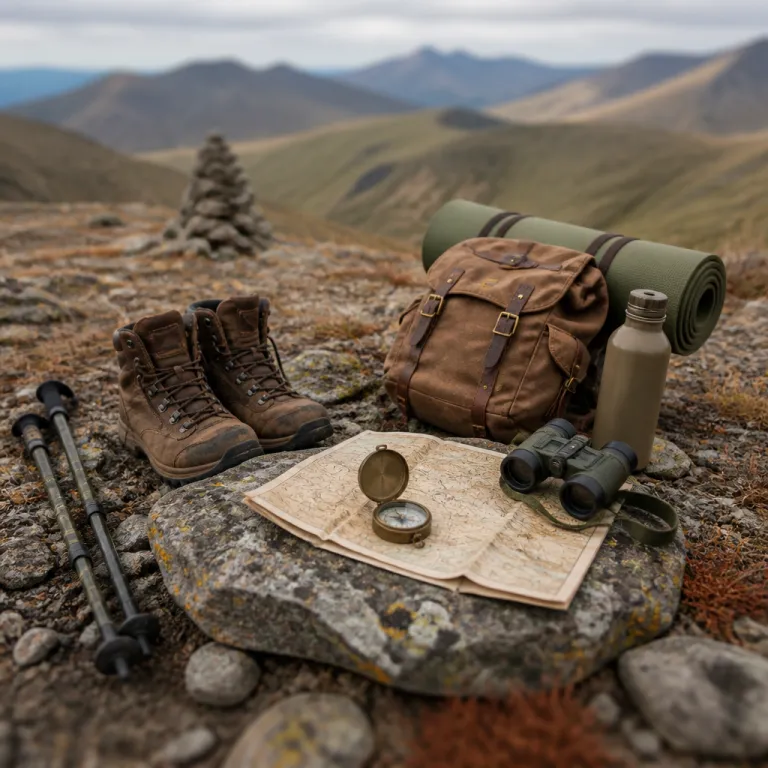
Even on the coolest hiking Armenia summer trails, the sun at 2,000 metres is unforgiving, so sun protection is non negotiable. Wide brimmed hats, high SPF sunscreen, sunglasses and light long sleeves matter just as much as good boots, especially for children whose skin tires faster than their enthusiasm. Water capacity is another key variable, because many trail route options in the Geghama Mountains or on Mount Aragats cross dry ground for several hours.
For high altitude trekking, layering is essential, since mornings can feel cold at Lake Kari or Lake Arpi while afternoons on the same hike feel warm. A light base layer, a fleece and a windproof shell usually cover most scenarios, and a compact first aid kit should always sit in the day pack. Local advice from experienced Armenian guides is clear on the basics: “Start early to avoid midday heat, carry sufficient water, wear appropriate footwear.”
Back at your hotel, recovery is part of the experience, and this is where a luxury booking pays off. A pool, a competent spa and a restaurant that understands both calorie needs and Armenian flavours turn a simple hike into a full day of pleasure. In the best Armenia properties, staff will ask which mountains you walked, which national park you visited and which hikes you are considering next, then quietly adjust breakfast times or transfer plans so that tomorrow’s hike Armenia adventure feels as effortless as today’s.
Key figures for high altitude hiking in Armenia
- Mount Aragats is the highest peak in Armenia at 4,090 metres, which makes its lower flanks ideal for cool summer day hikes compared with lowland routes.
- Typical high altitude hikes in Armenia last between 4 and 8 hours, a duration that fits comfortably between an early hotel breakfast and a sunset swim or spa session.
- Summer hiking season in Armenia runs broadly from June to August, with the most comfortable temperatures for trails above 2,000 metres usually found in July and early August.
- Mount Ara, another popular hiking peak near Yerevan, reaches about 2,600 metres, offering a shorter ascent than Mount Aragats while still delivering a significant temperature drop.
- Interest in eco tourism and high altitude hikes in Armenia has grown steadily in recent years, encouraging the development of new marked trails and better GPS based navigation support.
FAQ: hiking Armenia summer trails and luxury stays
What is the highest peak in Armenia and is it suitable for families?
The highest peak in Armenia is Mount Aragats at 4,090 metres. Families typically do not attempt the full summit with children, but they often enjoy day hikes from Lake Kari on the lower slopes, where trails can be tailored to different fitness levels. With a guide and good weather, these routes offer a safe introduction to high altitude terrain.
Are there guided hikes available in Armenia’s main mountain regions?
Yes, local guides offer tours in all major hiking areas, including Dilijan National Park, Mount Aragats, the Geghama Mountains and the Syunik highlands. Many luxury hotels work directly with trusted guides or tour operators, which simplifies arranging a private hike. Guided options are especially valuable on less marked routes or when attempting longer Transcaucasian segments.
What should I bring for a high altitude hike in Armenia?
For any high altitude hike in Armenia, you should bring sufficient water, layered clothing for changing temperatures, sun protection and reliable navigation tools such as maps or a GPS device. Good footwear with grip is essential on rocky or dusty slopes, particularly around Aragats and the Geghama plateaus. A small first aid kit and snacks round out a sensible packing list for day hikes.
When is the best time of day to start summer hikes from Yerevan?
Morning departures are strongly recommended for summer hikes that start from Yerevan or nearby bases. Leaving early helps you avoid the worst of the heat on the approach roads and ensures you are on the trail during the coolest hours. Most families aim to finish their hike and be back at the hotel by late afternoon.
Can I combine Armenia and Georgia in one hiking focused trip?
Many travellers combine Armenia and Georgia in a single Caucasus Mountains itinerary, especially when following parts of the Transcaucasian Trail. Armenia offers higher altitude plateaus and volcanic landscapes, while Georgia adds deep forested valleys and different cultural flavours. Luxury travellers often use comfortable city hotels in Yerevan and Tbilisi as bookends to a week of guided trekking between the two countries.