Why autumn is the moment to travel Armenia in style
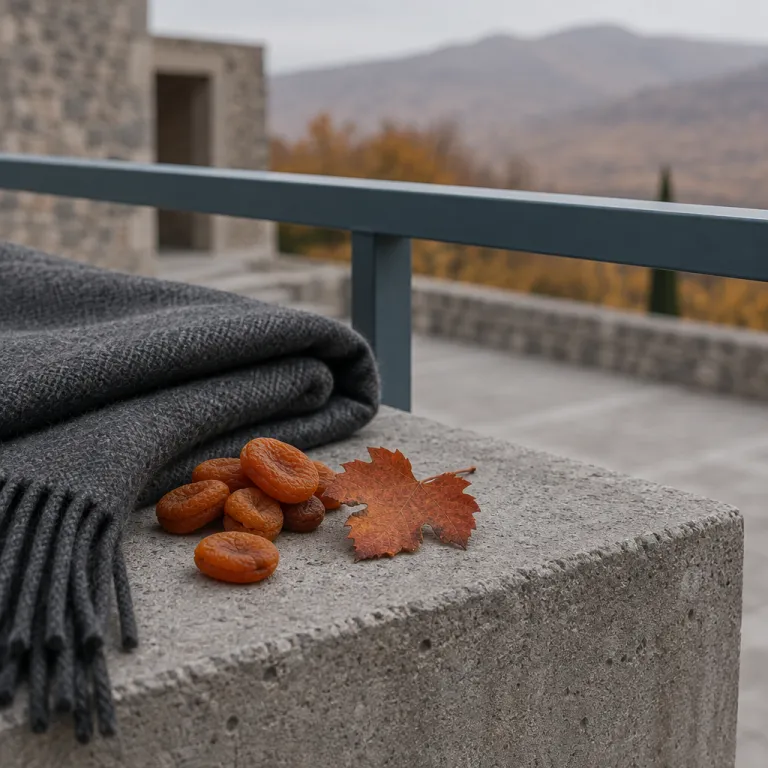
Autumn is when Armenia feels purpose built for the luxury traveler. Soft light washes over the highland plateaus, vineyards are in harvest and the best hotels in Yerevan and the regions quietly shift from high summer buzz to a calmer, more attentive rhythm. For anyone planning to travel Armenia with an eye on comfort and culture, this is the season when the country gives you space without losing its energy.
In the capital Yerevan, daytime temperatures in October usually sit between 12 and 20 degrees Celsius, which means you can walk the city’s café lined streets without the heat haze of midsummer. That same mild weather makes Armenia’s heritage sites in the surrounding areas far more pleasant, especially when you factor in the altitude and how quickly temperatures drop after sunset at 1 000 to 1 500 metres above sea level. Luxury properties respond to this shoulder season by offering more flexible stays and curated day trip options, so your Armenia travel becomes less about ticking boxes and more about choosing the best experiences for your own pace.
Autumn also brings a different kind of intimacy with Armenian culture, because harvest rituals and religious festivals are woven into daily life across the country. When you visit Armenia at this time, you see how local families move between city apartments in Yerevan and ancestral villages in regions like Vayots Dzor or Lori, often inviting guests to share pomegranates, walnuts and new wine. For the discerning traveler, this is where travel advice shifts from generic to personal, and where a well chosen hotel concierge can open doors to private cellars, monastery concerts and quiet corners of Armenian heritage sites that most short trips never reach.
How many days to stay and how to shape a luxury itinerary
For a first journey to travel Armenia in autumn, five to seven days is the sweet spot. With fewer crowds and clearer roads than in summer, that duration lets you combine Yerevan with at least one contrasting region without turning your trip into a blur of check ins and check outs. Think of the country not as a checklist of sights, but as a series of slow moving scenes anchored by a few carefully chosen hotels.
A classic structure for Armenia travel in this season is three nights in Yerevan, two nights in wine country and two nights in a forested region such as Dilijan or the Debed gorge. Those first days in the capital let you adjust to the time zone, understand local customs and handle practicalities like Armenia visa checks, sim cards and travel insurance confirmations with the help of a polished front desk team. From there, you can pivot into more remote areas where public transportation thins out and a private driver arranged through your hotel becomes the best way to reach monasteries, cliffside heritage sites and family run wineries.
If you are combining Georgia Armenia in one longer journey, autumn is ideal because border Armenia crossings with Georgia are usually less congested outside peak summer. Many luxury travelers now fly into Tbilisi, spend a few days in that city, then travel by road into Armenia for a deeper cultural focus and quieter landscapes. For a more roots oriented angle, especially if you are part of the diaspora, consider this perspective on turning heritage trips into luxury journeys, which pairs naturally with an autumn itinerary shaped around family villages and key Armenian heritage sites.
Where to base yourself for heritage, wine and wellness
Choosing the right base is the single most important decision when you travel Armenia for heritage and comfort. Yerevan works best as your cultural and logistical anchor, because the city concentrates the country’s top luxury hotels, the main international airport and the most reliable services for credit cards and sim cards. From here, you can plan day trip excursions to nearby Armenian heritage sites such as Garni, Geghard and Etchmiadzin, returning each evening to polished restaurants and spa level wellness facilities.
For wine focused trips, autumn belongs to Vayots Dzor and the village of Areni, where the Areni Wine Festival turns the region into a living amphitheatre of tastings, music and harvest rituals. High end guesthouses and premium lodges in this area are limited, so booking early is essential if you want the best rooms with views over vineyards and the Arpa river valley. To understand why this region matters so much to Armenia explore minded travelers, read this deep dive into Armenia’s natural wine movement, then ask your hotel concierge to arrange private tastings that avoid the busiest festival hours.
Nature and wellness travelers should look north to Dilijan National Park, the Debed gorge and the forested areas near Haghartsin and Goshavank monasteries. Here, altitude and sea level differences create crisp mornings, golden afternoons and cool nights that suit both hiking and long sessions in a hotel hammam or pool. For a more urban heritage focus, consider this guide to cities of heritage where luxury hotels meet ancient stories, then build your own sequence of stays that balances Armenian history with the comfort level you expect.
Roads, drivers and realistic distances between Armenian heritage sites
Distances in Armenia look short on the map, but the reality of mountain roads, changing weather and occasional roadworks means travel times stretch. When you travel Armenia in autumn, you benefit from clearer skies and fewer agricultural vehicles, yet you still need to respect the terrain and plan conservatively. A private car with driver booked through your hotel is usually the best option for travelers who value comfort, safety and flexibility.
The main north south road that links Yerevan with regions like Syunik and Lori is generally in good condition, but secondary roads to monasteries or remote heritage areas can be narrow and winding. Expect a two to three hour drive for many of the best day trip routes, such as Yerevan to Tatev or Yerevan to the Debed gorge, and remember that sunset comes earlier in autumn, especially in valleys and canyons. If you prefer to self drive, choose a vehicle with good clearance, make sure your travel insurance covers car rental in the country and always check local travel advice from your hotel about any temporary closures near the eastern border or other sensitive border areas.
Public transportation in Armenia exists in the form of minibuses and shared taxis, but it is not designed for luxury travelers who want to move efficiently between high end properties and remote heritage sites. For multi country trips that combine Georgia Armenia, many travelers now hire a single driver who can handle both sides of the border Armenia crossing, smoothing out visa checks and language gaps. Whatever your mode of transport, keep your passport, Armenia visa documentation and a physical map handy, because mobile coverage can drop in mountainous areas and near the border Azerbaijan line, especially in regions affected by the Nagorno Karabakh conflict.
Money, visas and practical autumn travel advice
From a practical standpoint, autumn is a smart time to travel Armenia because demand softens just enough to open availability at the best properties without emptying them out. Rising international interest in the country means that top hotels in Yerevan and key regions now fill many weekends months in advance, especially around major events like the Areni Wine Festival. Booking early and being flexible with your days of arrival will give you more choice of room categories and views.
Most visitors either do not need a visa for short stays or can obtain an Armenia visa electronically, but you should always check the latest requirements with your own ministry of foreign affairs before booking flights. The main international airport in Yerevan has reliable ATMs, sim cards kiosks and car services, yet it is still wise to carry some cash for rural areas where card terminals can be unreliable. Credit cards are widely accepted in the capital and in larger regional hotels, though smaller family run properties may prefer cash, especially in regions close to the eastern border or other border areas where connectivity can be patchy.
Health considerations in autumn are straightforward, with no special vaccinations required for most travelers beyond standard international recommendations. Still, travel insurance that covers medical care, evacuation and road incidents is essential, because some of the best Armenian heritage sites sit far from major hospitals and at higher elevations above sea level. When you visit Armenia, pack layers for temperature swings, a light waterproof jacket, sturdy shoes for monastery steps and a respectful outfit for churches, where local custom still expects covered shoulders and a quiet, observant attitude.
Security, borders and the reality behind the headlines
Any decision to travel Armenia thoughtfully should include a clear eyed look at the country’s security context. Armenia shares borders with Georgia, Iran, Türkiye and Azerbaijan, and the long running tensions around Nagorno Karabakh and the Karabakh war have shaped both foreign affairs and on the ground travel advice. For most visitors, the impact is limited to avoiding certain border areas and staying informed, but luxury travelers should still pay attention to where they book and how they move.
The border Azerbaijan line is closed, and you cannot cross directly between the two countries, which is why many itineraries pair Georgia Armenia instead. When planning trips that involve road travel near the eastern border or other sensitive regions, rely on up to date guidance from your hotel, your embassy and reputable international news sources rather than hearsay. High end properties in affected regions are usually quick to adjust operations, reroute excursions or pause certain day trip options if the security situation changes, and they will share clear travel advice at check in.
Within Armenia itself, crime rates against tourists remain relatively low, and most issues relate to road safety, weather and occasional protests in Yerevan rather than targeted incidents. Sensible precautions apply, such as not flashing large amounts of cash, keeping your passport secure and following local instructions if demonstrations occur in central areas. Before you visit Armenia, register your trip with your own foreign affairs service if available, keep copies of your documents in the cloud and ensure your travel insurance policy explicitly covers travel in the country, including any exclusions related to conflicts near border Armenia zones.
Key figures for planning an autumn trip to Armenia
- Average daytime temperatures in Yerevan in October range from about 12 to 20 degrees Celsius, which makes walking tours and monastery visits comfortable without the heat stress of midsummer (data from Armenian Hydrometeorology Service).
- Armenia’s capital sits at roughly 990 metres above sea level, while many heritage monasteries such as Tatev and Haghpat are located between 1 200 and 1 600 metres, so temperature drops of 5 to 8 degrees Celsius between city and highland sites are common in autumn (Armenian Geographic Society figures).
- International visitor arrivals to Armenia have grown significantly over the past decade, with several million border crossings recorded annually and a marked increase in travelers from the United States and Western Europe, which has pushed up demand for premium hotel rooms in Yerevan during shoulder seasons (data from the Tourism Committee of Armenia).
- Driving times between key destinations are longer than distances suggest, with the 250 kilometre route from Yerevan to Tatev often taking five to six hours by road because of mountain passes and winding sections, a factor that strongly influences how many day trips you can realistically plan (Armenian road authority estimates).
- Many nationalities can enter Armenia visa free for short stays or obtain an electronic Armenia visa online, and the e visa process typically takes a few working days, though travelers should always confirm current requirements with their own foreign affairs ministry before booking flights (Ministry of Foreign Affairs of Armenia guidance).
FAQ about luxury autumn travel in Armenia
Is Armenia safe for luxury travelers in autumn ?
Most luxury travelers experience Armenia as a safe and welcoming country in autumn, especially in Yerevan and the main tourist regions. The main security considerations relate to avoiding certain border areas near Azerbaijan and staying informed about the Nagorno Karabakh situation through official foreign affairs channels. Within cities and popular heritage sites, standard urban precautions are usually sufficient, and high end hotels provide up to date travel advice at check in.
How many days do I need for an autumn trip to Armenia ?
A well paced luxury itinerary to travel Armenia in autumn typically runs for five to seven days. That allows three nights in Yerevan for museums, dining and nearby heritage sites, plus two to four nights split between wine country and a forested region such as Dilijan or the Debed gorge. Shorter trips are possible, but you will need to limit day trip distances and focus on fewer areas.
Do I need a visa and travel insurance to visit Armenia ?
Many nationalities can enter Armenia without a visa for short stays, while others can obtain an electronic Armenia visa before departure, so you should check the latest requirements with your own foreign affairs ministry. Regardless of visa status, comprehensive travel insurance is strongly recommended, because some of the best Armenian heritage sites sit far from major hospitals and involve road travel in mountainous terrain. Look for a policy that covers medical care, evacuation, car rental and trip interruption.
Is it better to hire a driver or use public transportation ?
For luxury travelers focused on comfort and time, hiring a private car with driver is usually the best option in Armenia, especially in autumn when you may be driving mountain roads at dusk. Public transportation exists between major towns, but it is not designed for seamless access to remote monasteries, vineyards and high end lodges. Many premium hotels can arrange vetted drivers who understand local road conditions and can adjust routes quickly if weather or traffic changes.
Can I combine Armenia with Georgia in one autumn trip ?
Combining Georgia Armenia in a single autumn journey works very well, because both countries share a relatively straightforward land border and complementary cultural experiences. Many travelers spend a few days in Tbilisi, then travel by road to Yerevan for a deeper focus on Armenian heritage sites, wine regions and highland landscapes. Just remember that the border Azerbaijan crossing is closed, so you must route all overland travel through Georgia or by air.