Why Armenian crafts workshops travel belongs on a luxury itinerary
Armenia rewards travelers who value depth over display. For the luxury guest, hands-on craft workshops turn a five-star stay into a textured immersion in Armenian culture, where every crafted object carries a story. When you sit beside local artisans and feel clay, wool, or dough in your own hands, the experience becomes as memorable as any suite upgrade. Yerevan works as the obvious base, with Gyumri and Dilijan as natural second stops.
Across the country, art is not confined to galleries; it lives in kitchens, courtyards, and monastery villages where traditional Armenian skills still shape daily life. High-end hotels in Yerevan and beyond now curate private sessions that offer unique access to these arts and crafts, pairing chauffeured transfers with translators fluent in the Armenian language. This is cultural travel as skill acquisition, where you learn a technique rather than just photograph it, and your handmade piece returns home as a one-of-a-kind souvenir.
For discerning guests, the appeal lies in intimacy and authenticity. Instead of a generic cultural tour, you might join a master class in carpet weaving or wood carving with only one other person and the artisan, a format that suits the solo explorer persona perfectly. Many workshops offer flexible timing, from two-hour tasters to multi-day programs, so you can align Armenian craft experiences with spa appointments, vineyard lunches, or a sunrise view of Mount Ararat from your hotel terrace.
From Yerevan studios to village ovens: where to learn and what to expect
Yerevan is the most convenient base for Armenian crafts workshops travel, with studios and ateliers scattered around the city center. TUMO Studios, an educational initiative of the TUMO Center for Creative Technologies, runs respected programs in Armenian arts that blend traditional techniques with contemporary design, and its alumni occasionally host short workshops where travelers can learn embroidery, jewelry making, or textile arts. These sessions usually last two to three hours, ideal between a museum visit and an evening walk past the illuminated church facades of central Yerevan.
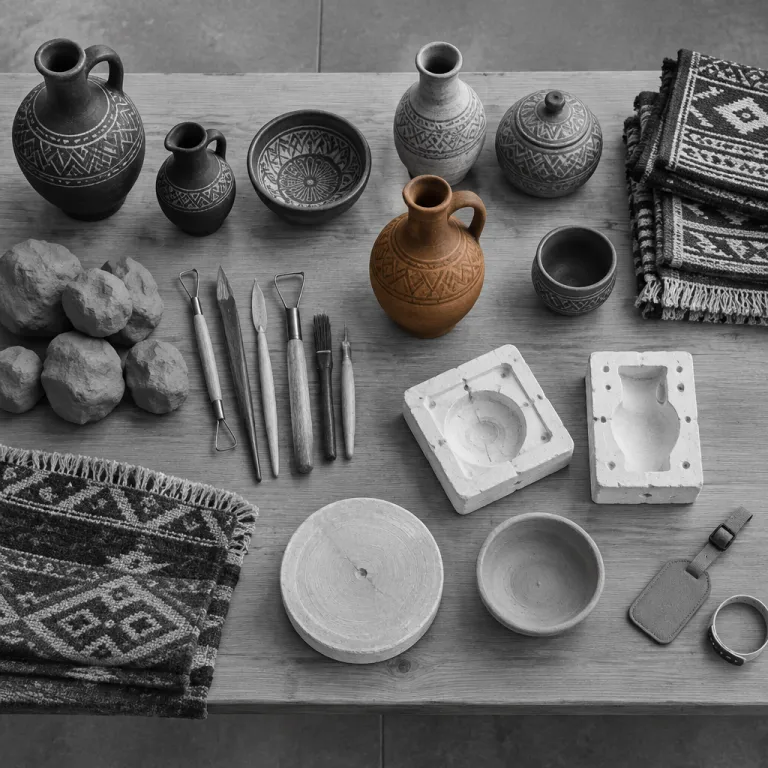
For a more tactile craft, seek out a pottery studio on the city’s fringes, where local masters lead Armenian pottery workshops in small groups. Here you work at the wheel, guided by steady hands that support your own as you shape clay into bowls or cups, and the workshop often includes a firing demonstration so you understand every step. Many of these studios offer hotel pickup on request, English-speaking assistance alongside Armenian language explanations, and the option to ship fragile pieces home if you prefer not to fly with them. The practical details are kept current by the official Armenia travel portal.
Textile lovers should look to independent studios that focus on embroidery, batik, and doll making, and to visiting artists who occasionally teach Armenian needle lace workshops. These arts and crafts sessions are quiet, meditative, and perfectly suited to travelers who want a cultural experience after energetic city events such as the water-filled celebrations described in guides to Vardavar in Yerevan and what to know before Armenia throws water. As one recent visitor wrote in a feedback book at a Yerevan studio, “Two hours of stitching with a local teacher told me more about Armenian daily life than any city tour.” Whether you choose a single workshop or several sessions in sequence, Armenian crafts workshops travel in the capital offers a refined way to meet local creatives before you head into the countryside.
Carpet weaving, stone carving, and blacksmith fires beyond the capital
Leaving Yerevan, the geography of Armenian culture unfolds through its crafts. In Gyumri, long known for its artisans, blacksmiths open their forges to visitors for iron-working sessions where you learn to hammer glowing metal, a raw counterpoint to the polished lobbies of luxury hotels. These Gyumri blacksmith workshops offer unique insight into how functional tools and decorative art once shaped life across Armenia. Gyumri sits two hours from Yerevan and rewards a night rather than a rushed day trip.
Further south, the Goris region and nearby villages in Syunik are renowned for stone work, including khachkar carving, where intricate crosses and motifs are chiseled into tuff. Here, a private workshop can often be arranged through your hotel or a specialist Armenia blog, pairing a guided tour of local church complexes with a hands-on lesson in carving soft stone tiles that fit in your luggage. The rhythm of mallet and chisel, taught by local artisans who have inherited techniques over generations, turns a simple travel day into a layered cultural heritage encounter. Goris and Sisian are the practical overnight stops in Syunik.
Textile-focused travelers should not miss rural studios dedicated to carpet weaving and Armenian carpets, often run by women’s cooperatives that sustain families and preserve regional arts. In these weaving workshops, you sit beside artisans at the loom, learn knotting patterns, and see how natural dyes echo the colors of Mount Ararat at sunset or the deep blues of Lake Sevan. Pair such sessions with intimate countryside stays, perhaps at properties that specialize in sunset hikes and vineyard suppers for couples, and Armenian crafts workshops travel becomes the quiet centerpiece of a romantic or solo itinerary.
Lavash, clay, and wood: sensory workshops woven into hotel stays
Some of the most memorable Armenian crafts workshops travel moments happen around food and fire. Lavash baking, recognized by UNESCO as intangible cultural heritage, is both a culinary and cultural ritual, and many village guesthouses and premium rural hotels now arrange private sessions in a traditional tonir oven. You join a small workshop where women stretch dough over a cushion, slap it against the hot clay walls, and invite you to try, turning a simple meal into a profound cultural experience.
In wine regions such as Vayots Dzor, known for its high-altitude vineyards, hotels often collaborate with local artisans to offer unique combinations of tasting and craft. A morning might begin with a pottery workshop in a nearby studio, followed by a cellar tour and lunch, then a relaxed afternoon by the pool, all within a short drive. These countryside sessions offer a slower rhythm than city life, letting you learn at your own pace while still returning to crisp linens and attentive service each night.
Wood carving sessions, whether in forested villages or near Lake Sevan, introduce you to another strand of Armenian culture, where religious motifs and everyday objects share the same careful attention. Under the guidance of a master class instructor, you shape small crosses, spoons, or decorative panels, often using designs inspired by local church carvings or Armenian carpets. For travelers who enjoy active days, combining such workshops with high-altitude hikes outlined in guides to where to hike in Armenia when Yerevan gets too hot creates a balanced itinerary of movement and making. Dilijan and the villages around Lake Sevan offer the calmest nights in the north.
Planning, language, and flying home with your handmade pieces
Thoughtful planning turns Armenian crafts workshops travel from a pleasant diversion into the backbone of your trip. Start by asking your hotel concierge which workshops offer private or small-group formats, and whether local artisans can adapt content for your interests, whether that is pottery, weaving, or wood carving. Many properties now maintain curated lists of trusted partners in Yerevan, Vayots Dzor, Gyumri, and around Lake Sevan, ensuring that each workshop aligns with the service standards expected by luxury travelers.
Language rarely becomes a barrier, as most hosts provide basic English support alongside Armenian language explanations, and the physical nature of craft makes it easy to learn by watching. When evaluating options, remember the guidance shared by organizers who emphasize that “Embroidery, pottery, blacksmithing, needle lace, carpet weaving” are among the most popular choices, that “Yes, most workshops cater to all skill levels,” and that you should “Visit the respective websites for registration details.” For solo travelers, a private workshop can feel like a conversation as much as a class, with guest and artisan exchanging stories about daily life, cultural heritage, and the meaning of traditional Armenian motifs.
Practicalities matter when you start accumulating handmade art. Ceramics from a pottery studio should be double wrapped and carried in your hand luggage if possible, while textiles such as Armenian carpets or smaller weaving samples can be rolled and packed in checked bags, protected by clothing. Stone pieces from a carving workshop or metalwork from Gyumri’s forges add weight, so consider shipping through your hotel, which often partners with couriers experienced in handling arts and crafts and can offer unique packing solutions that keep your new treasures safe all the way home.
FAQ
Which Armenian crafts can I learn during a short trip ?
Travelers can learn a wide range of Armenian arts during even a brief stay, including pottery, carpet weaving, embroidery, Armenian needle lace, and basic wood carving. In Yerevan, studios focus on textiles and design, while rural areas add lavash baking, stone carving, and metalwork to the mix. Most workshops offer formats from two-hour tasters to half-day sessions, so you can fit them around a busy sightseeing schedule.
Are Armenian crafts workshops travel experiences suitable for beginners ?
Most Armenian crafts workshops travel options are designed for complete beginners, with step-by-step demonstrations and plenty of hands-on guidance. Instructors are used to working with international guests and adjust the pace so you can learn comfortably, whether you are shaping your first clay bowl or tying your first carpet knot. Advanced travelers can request a more intensive master class, especially in specialized fields such as carpet weaving or Armenian carpets restoration.
How do I book workshops through my hotel in Armenia ?
Luxury and premium hotels in Armenia usually maintain relationships with trusted local artisans and can arrange private or small group workshops on request. When reserving your room, mention that you are interested in Armenian crafts workshops travel and specify whether you prefer pottery, textiles, or culinary experiences such as lavash baking. The concierge can then coordinate schedules, transport, and translation, often securing access to studios that do not advertise widely.
What should I know about transporting handmade crafts home ?
Ceramic pieces from a pottery studio should be well padded and ideally carried in your cabin bag, while textiles such as scarves or small Armenian carpets can be rolled and packed in checked luggage. Stone carvings and metalwork are heavier, so ask your hotel or workshop host about shipping options that include tracking and insurance. Always check airline rules on fragile items and weight limits before you start an ambitious shopping and crafting tour.
Is it possible to combine craft workshops with nature focused travel in Armenia ?
It is very easy to combine Armenian crafts workshops travel with hiking, wine tasting, or lake stays, because many craft-rich regions are also natural highlights. Vayots Dzor pairs vineyard visits with pottery or weaving, while Lake Sevan offers lakeside relaxation alongside wood carving or textile sessions in nearby villages. With careful planning, you can spend mornings on mountain trails and afternoons in workshops, returning each evening to the comfort of a well-chosen hotel.