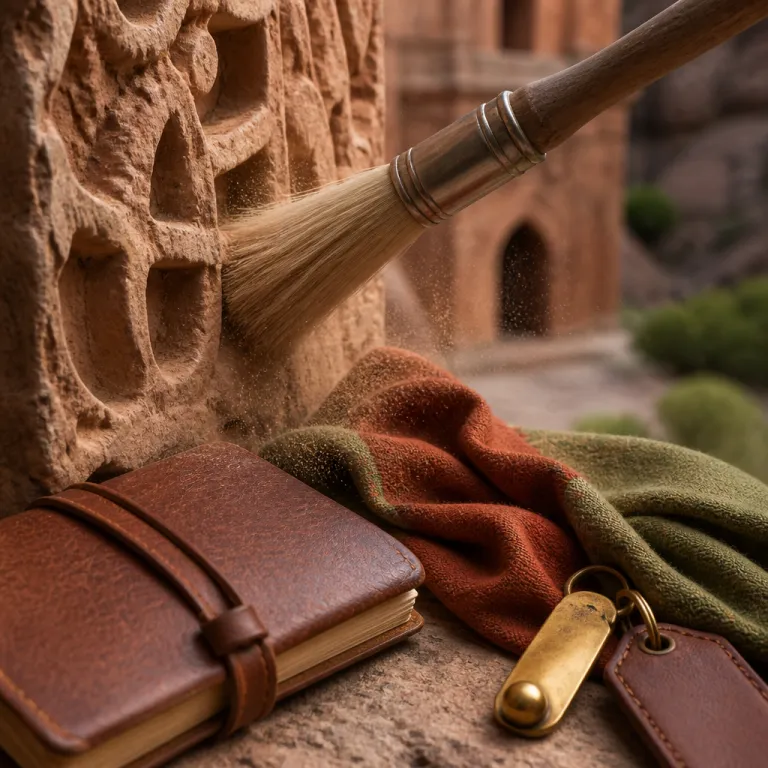
Noravank Monastery in Armenia as a centerpiece of a luxury heritage journey
Noravank Monastery in Armenia sits in the dramatic Amaghu Valley, framed by sheer red cliffs and a winding gorge. This medieval monastery complex is one of the most emblematic expressions of Armenian spirituality, and it anchors many refined itineraries that combine heritage, wine, and discreet comfort. For travelers booking premium hotels in Armenia, a visit to Noravank often becomes the cultural highlight that justifies a slower, more immersive stay in Vayots Dzor.
The monastery was established in the early thirteenth century by Bishop Hovhannes and soon evolved into a major religious and cultural center for the bishops of Syunik (as summarized in Armenian ecclesiastical histories and heritage registers). When you walk through the entrance of the complex, you step into a layered story of faith, politics, and art that spans several centuries of Armenian history. The Orbelian princes, who acted as powerful patrons, helped build and embellish this sacred site, leaving inscriptions and khachkars that still speak of their influence (documented in Armenian epigraphic studies and ICOMOS-style surveys).
Luxury travelers often combine a stay in Yeghegnadzor or nearby wine estates with a private excursion to this landmark. From a high-end hotel in Vayots Dzor, it is easy to arrange a chauffeured transfer of about 122 km from Yerevan through the scenic provincial roads (distance based on standard mapping tools and Armenian tourism materials). Many premium concierges now curate bespoke heritage routes where Noravank, the surrounding gorge, and local cellars form a single narrative of terroir, architecture, and monastic resilience.
Architecture, Surb Astvatsatsin, and the art of slow travel around Noravank
The architectural jewel of the Noravank complex is the two-storey Surb Astvatsatsin (Holy Mother of God) church, designed by the master architect Momik (identified in Armenian architectural scholarship and cultural inventories). This upper church rises above the rocky terrace with a narrow cantilevered staircase on the façade, creating a striking vertical rhythm against the Amaghu Valley cliffs. Many visitors pause here for a long view over the gorge, letting the silence and the stonework encourage a form of slow travel that suits thoughtful luxury itineraries.
Inside Surb Astvatsatsin, you find refined reliefs of the Mother of God, apostles, and donors, all carved in the warm local stone typical of medieval Armenian craftsmanship. The ensemble also includes the Surb Karapet church and several chapels, each revealing how Armenian masons could build sacred spaces that feel both intimate and monumental. When you browse the carvings and inscriptions, you notice how every prince, bishop, and artisan left a signature that still shapes the spiritual atmosphere of this mountain sanctuary.
Travelers who embrace unhurried itineraries often pair a visit to Noravank with other contemplative experiences, such as the thermal retreats and rural stays highlighted in guides to slow travel in Armenia. This approach allows you to appreciate Surb Astvatsatsin not as a quick photo stop but as a living monument within a wider monastic landscape. From a hospitality perspective, premium hotels that promote this rhythm of travel tend to attract guests who value depth, privacy, and meaningful cultural engagement.
Surb Karapet, Orbelian heritage, and choosing the right luxury base
While Surb Astvatsatsin draws the eye, the Surb Karapet church forms the historical heart of the monastery complex. This main cathedral, attributed to the architect Siranes (noted in Armenian architectural reference works), served as the principal church and burial place for the Orbelian princes who shaped much of medieval Vayots Dzor. The interior of Surb Karapet is more restrained than the upper church, yet its stone reliefs and tombstones reveal a sophisticated Armenian aesthetic that appeals to travelers interested in art history.
For guests booking high-end accommodation, the choice of base near Noravank influences how deeply they can engage with this heritage. Some prefer elegant properties in Yeghegnadzor, which offer quick access to both the monastery and local wineries scattered across the valley. Others opt for luxury hotels closer to Etchmiadzin or Yerevan, using curated day trips that combine Noravank with other sacred centers, as outlined in refined guides to staying in Etchmiadzin and exploring sacred heritage.
Whichever base in Armenia you select, a well-connected concierge can arrange private guides who explain how the Orbelian family used this monastery as both a spiritual refuge and a statement of power. Hearing on site that “Noravank is a 13th-century Armenian monastery” and that “Noravank Monastery is located in the Amaghu Valley near Yeghegnadzor, Armenia” gives context to the carved portraits of each prince and bishop. This level of interpretation transforms a simple church visit into a layered cultural experience that justifies investing in premium accommodation and tailored services.
Practical planning: access, terrain, and premium services around the gorge
Reaching Noravank involves a scenic drive through Vayots Dzor, followed by a short approach road that threads into the Amaghu Valley gorge. The final stretch passes between towering cliffs, and the view that opens onto the monastery complex feels theatrical, especially in late afternoon light. Luxury travelers often appreciate arriving with a private driver, allowing them to focus on the landscape rather than the road conditions.
The terrain around the site is uneven, with stone steps and gravel paths leading to each church and chapel. Wearing comfortable shoes is essential, even for guests arriving from five-star hotels, because the approach to Surb Astvatsatsin and Surb Karapet includes narrow staircases and sloping courtyards. Many premium tour operators now include walking sticks, chilled water, and shaded rest stops as part of their service, ensuring that the physical side of the adventure remains manageable for all ages.
Entrance to the monastery complex is generally free, which surprises some visitors who are used to ticketed heritage sites in other countries (policies may change, so checking current information with local tourism offices is advisable). This free access does not diminish the value of the experience; instead, it encourages travelers to browse the grounds at their own pace and to view each church interior without pressure. High-end concierges often coordinate with local guides and drivers so that guests can linger longer in the gorge, perhaps combining the visit with a gourmet picnic or a detour to the region’s lesser-known hot springs described in curated journeys that go beyond Jermuk’s famous thermal resorts.
Interior details, spiritual atmosphere, and curated cultural experiences
Stepping into the interior of each church building reveals a different facet of Armenian spirituality. In Surb Astvatsatsin, the Mother of God appears above the entrance in finely carved relief, while inside, the dim light and incense traces evoke centuries of prayer. The Surb Karapet interior feels more grounded, with tombstones of Orbelian princes embedded in the floor, reminding visitors that this monastery also served as a dynastic necropolis.
For luxury travelers, curated experiences inside Noravank can include private liturgical music performances or scholarly talks on medieval Armenian iconography. Some high-end agencies collaborate with art historians who explain how Momik and Siranes used stone masonry to build visual narratives that guide the faithful from the earthly valley toward the heavenly realm. When you view the sculpted crosses, angels, and saints up close, the craftsmanship becomes tangible, especially in the way each holy figure is integrated into the architecture.
Premium hotels in Vayots Dzor and beyond increasingly recognize that guests value such depth, so they offer packages that combine Noravank Monastery visits with wine tastings, artisan workshops, and meetings with local clergy. These programs often highlight how the Amaghu setting shaped monastic life, from the use of the gorge as a natural defense to the orientation of each church toward the rising sun. By the time guests return to their suites, they carry not only photographs but also a richer understanding of how Armenian faith, landscape, and hospitality intersect.
Designing a luxury itinerary around Noravank, Vayots Dzor, and wider Armenia
Building a luxury itinerary around Noravank Monastery in Armenia starts with choosing the right balance between heritage, comfort, and time. Many travelers begin in Yerevan, then move to a refined property in Vayots Dzor, using this region as a base for exploring the Amaghu Valley, local wineries, and nearby monasteries. From there, a day dedicated to Noravank allows ample time to browse the complex, view each church interior, and enjoy the gorge without rushing.
High-end itineraries often weave Noravank with other sacred sites, such as Etchmiadzin, Khor Virap, or smaller churches scattered across the province. This network of monastic landmarks illustrates how Armenian Christianity evolved over the centuries, from early basilicas to the more elaborate Surb Astvatsatsin and Surb Karapet designs. When planned thoughtfully, such routes create a coherent narrative where every visit reinforces the broader story of the Mother of God, local saints, and the resilience of Armenian culture.
Travelers who value privacy and personalization should work with agencies or hotel concierges that understand both the logistical and spiritual dimensions of this region. The best partners coordinate private transfers, expert guides, and flexible timing so that guests can experience the Amaghu Valley at its quietest moments, often early morning or near sunset. In this way, Noravank becomes not just a stop on a map but the emotional centerpiece of a journey through Vayots Dzor and the wider Armenian highlands.
Key figures and travel statistics for Noravank Monastery and Vayots Dzor
- The distance from Yerevan to Noravank Monastery is approximately 122 km, which usually translates into a two- to three-hour drive depending on traffic and stops along the way (data referenced from mapping tools and Wikipedia-style geographic summaries, to be cross-checked with current Armenian road information).
- Noravank was founded in the early thirteenth century by Bishop Hovhannes and became the residence of the bishops of Syunik during the thirteenth and fourteenth centuries, marking it as a major ecclesiastical center in medieval Armenia (as noted in scholarly summaries and Armenian heritage databases maintained by cultural authorities).
- The monastery complex sits above the Amaghu Valley at an elevation of roughly 1,500 m, which contributes to cooler temperatures and clear views over the surrounding gorge compared with the lower plains around Yerevan (figures based on topographic data used in tourism and conservation reports).
- Vayots Dzor Province, where Noravank is located, is one of Armenia’s least densely populated regions, which helps preserve a sense of tranquility and exclusivity that appeals to luxury travelers seeking quieter heritage sites (population density figures drawn from national statistical publications).
- Tourism authorities and cultural organizations have identified Noravank as a priority site for conservation and visitor management, reflecting its importance as both a religious monument and a driver of sustainable tourism in Yeghegnadzor and the wider region (outlined in Armenian tourism strategies and cultural heritage management plans).
FAQ about Noravank Monastery in Armenia for luxury and premium travelers
What is Noravank Monastery known for ?
Noravank Monastery is known for its two-storey Surb Astvatsatsin church with a unique cantilevered staircase on the façade. This striking design, created by the architect Momik, makes the church appear to float above the Amaghu Valley cliffs. The combination of architecture, relief sculpture, and dramatic landscape sets it apart from many other Armenian monastic sites.
Who designed the main churches at Noravank ?
The Surb Astvatsatsin church at Noravank was designed by the architect and sculptor Momik, whose refined carvings are visible on the exterior and interior. The Surb Karapet church, which served as the main cathedral, is attributed to the architect Siranes, who worked under the patronage of the Orbelian princes. Together, their work defines the visual identity of the monastery complex and showcases high-level medieval Armenian stone masonry.
Where exactly is Noravank located in Armenia ?
Noravank Monastery stands in the Amaghu Valley near the town of Yeghegnadzor in Vayots Dzor Province, in south-eastern Armenia. The site is reached by a side road that branches from the main highway connecting Yerevan with the southern regions. Its position within a narrow gorge of red cliffs gives the Noravank ensemble its distinctive and photogenic setting.
How long should luxury travelers plan for a visit to Noravank ?
Most luxury travelers should allocate at least half a day for Noravank, including the drive from a hotel in Vayots Dzor or Yerevan. This allows time to browse the monastery complex, view the interiors of Surb Astvatsatsin and Surb Karapet, and enjoy the surrounding gorge without rushing. Guests who combine the visit with wine tastings or other cultural stops in Vayots Dzor may prefer to dedicate a full day.
Is Noravank suitable for travelers with limited mobility ?
The immediate approach to the monastery complex is relatively gentle, but the terrain includes uneven stone paths and steps, especially around the Surb Astvatsatsin staircase and the upper terraces. Travelers with limited mobility can still appreciate the main view of the church buildings and parts of the interior, though some areas may be challenging without assistance. Luxury tour operators often arrange adapted transport, slower pacing, and support staff to make the experience as comfortable as possible.
Suggested sources for further reading : Ministry of Education, Science, Culture and Sport of the Republic of Armenia; Armenian Tourism Committee; UNESCO and ICOMOS reports on Armenian monastic architecture.